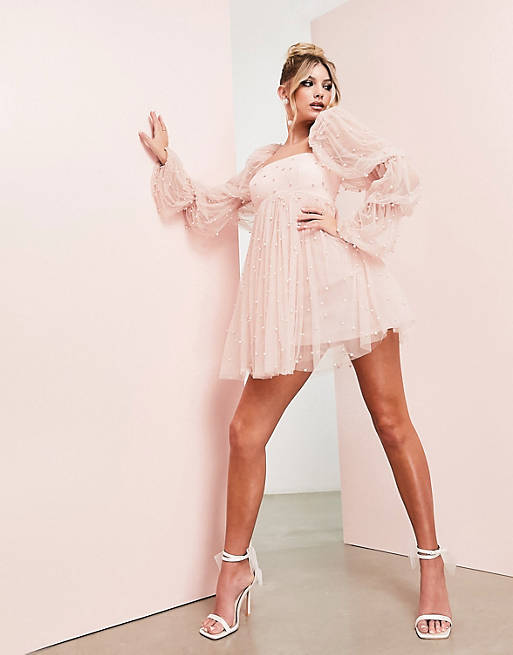
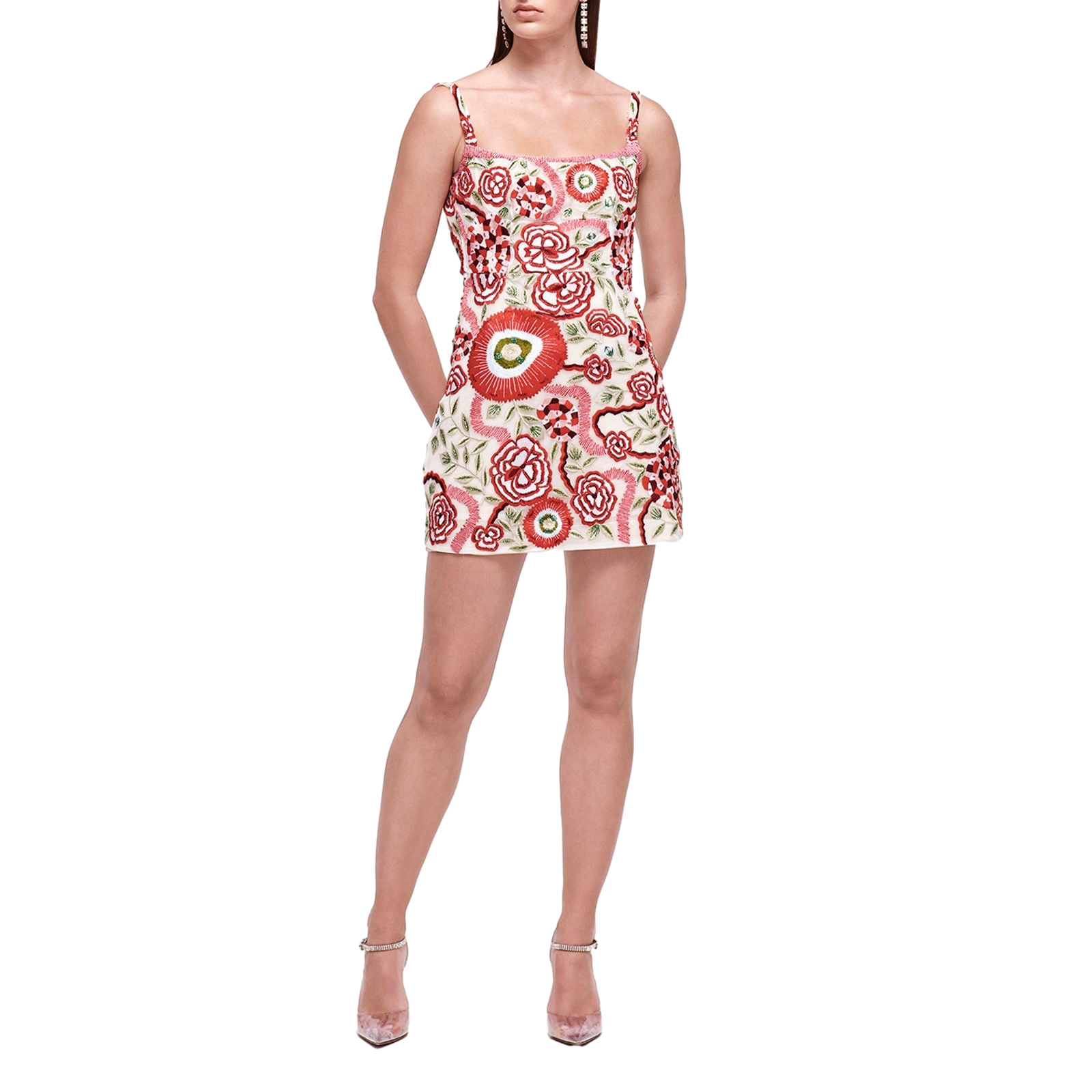
From my studio to your catalog, I design and produce custom fabric dresses that fit brands and retailers who demand quality and reliability. We are a China-based Manufacturer, and I work closely with you to transform sketches into samples and then into scalable production. You’ll choose fabrics, trims, and finishes from cotton blends, silks, satin, lace, or technical textiles, and I’ll match colors and silhouettes to your market. Our process includes pattern making, grading, quality checks, and packaging, with transparent updates every step of the way. MOQ flexibility, competitive pricing, and fast lead times are built in, whether you need small runs or full-scale orders. I offer labeling, branding, and customization options to help you stand out. If you’re seeking steady supply of high-quality custom fabric dresses for your collection, tell me your specs—fabric, size range, trims—and I’ll propose a timeline and quote tailored to your needs.
In 2025, custom fabric dresses win for global buyers who demand true differentiation, consistent quality, and responsible sourcing. A service backed by deep expertise integrates fabric selection, pattern engineering, and scalable manufacturing. From concept and sketches to prototypes and final production, collaborative development helps convert design ideas into garments that fit diverse climates, markets, and sizing standards. Access to a broad fabric library—natural fibers, sustainable blends, and performance textiles—and flexible minimums lets you test styles quickly, reduce risk, and accelerate time-to-market. With an expertise-led service, you receive end-to-end support: fabric sourcing, pattern making, grading, sewing engineering, finishing, and rigorous quality assurance at every stage. Transparent communication, digital sampling, and real-time production updates empower buyers to manage costs, calendars, and compliance across regions. Emphasizing sustainability and efficiency, the partner can deliver fashion-forward dresses with consistent fit and reliable delivery, helping you win in a crowded global marketplace.
| Design Theme | Fabric Type | Material Composition | Color Options | Breathability (1-10) | Comfort (1-10) | Drape Quality (1-10) | Care Instructions | Production Time (days) | Size Range |
|---|---|---|---|---|---|---|---|---|---|
| Evening Elegance | Silk Satin | 90% Silk, 10% Spandex | Emerald, Black, Champagne | 3 | 6 | 9 | Dry Clean | 15 | US 2-14 |
| Day-to-Night Maxi | Linen Blend | 60% Linen, 40% Cotton | Ivory, Sand, Olive | 8 | 9 | 6 | Gentle Wash | 12 | US 0-22 |
| Cocktail Classics | Velvet | 92% Polyester, 8% Elastane | Ruby, Midnight Blue, Onyx | 4 | 7 | 8 | Dry Clean | 14 | US 4-18 |
| Office-Chic Midi | Merino Wool Blend | 70% Wool, 30% Polyester | Charcoal, Navy, Olive | 7 | 8 | 6 | Dry Clean or Hand Wash | 10 | US 0-26 |
| Resort Weekend | Cotton Sateen | 100% Cotton | Coral, Sky, Navy | 9 | 9 | 7 | Machine Washable | 7 | US 2-24 |
| Sheath Power | Crepe | 100% Polyester (Crepe) | Black, Burgundy, Forest | 5 | 7 | 7 | Dry Clean | 9 | US 0-14 |