A beach wedding poses more than a picture may indicate. The invitation perhaps suggests a slick party, and the journey to the commitment ceremony can involve a sandy beach, wind, salt, heat and sometimes a colder indoor reception. The summery dress question isn’t just which dress looks summery. Which outfit is it that can be appropriate as the setting shifts around it?
Start with the dress code, followed by practical conditions. There should be no constant lifting, fastening or repairing of the guest outfit with respect to the ceremony.
Translate the Invitation to Make a Decision About a Dress.
Like “beach,” it’s less an exact level of formality and more a place. An evening at sunset at a resort might require a classic midi or flowing maxi attire. If the meeting is in the daytime, by a normal dining establishment, a more basic silhouette and lighter shoes may be possible.
Read the Exact Wording.
Words like formal, cocktail, resort and casual should be given greater weight than the word beach. If there is no dress code listed, then the venue, time and location of the reception will give the boundary.
Check the Schedule.
A ceremony that takes place in daylight will require different coverage than an evening event that moves to an indoor venue. Make a note of whether guests will be standing on sand, walking on decking or eating in an air-conditioned room.
Be Sure to Ask Where the Guests Will Be Standing.
The surface dictates the practical shoe, safe hem and the amount of skirt control that is required. There’s a difference between a beachfront terrace and a beach ceremony.
Match the Outfit to the Surface.
| Surface | Practical choice | Main risk |
| Soft sand | Stable broad flat sole or low wedge | Narrow heels sink and hem clearance varies |
| Boardwalk | Secure sandal or low block heel | Gaps may catch a fine heel |
| Grass at the edge | Broad heel or polished flat | Soft ground brings the wearer lower |
| Indoors | Dress shoe with grip | Slippery reception floors |
Select Wind-Recovery Fabric.
If it is airy, it doesn’t mean it is out of control. Chiffon, georgette or light satin may be used if the skirt has sufficient weight and/or lining or can be controlled via panels. Very wide layers that are unsupported will probably require attention during the ceremony.
Try on the Skirt Outside.
Walk, turn and stand in moving air. See if the skirt will wrap around the legs, rise above the desired length or twist at the side seams.
Check Transparency in Daylight.
Hold the entire outfit against strong natural light. The lining should continue to be sufficient at the bodice, hip and upper thigh, particularly at the back when the fabric is a pale color.
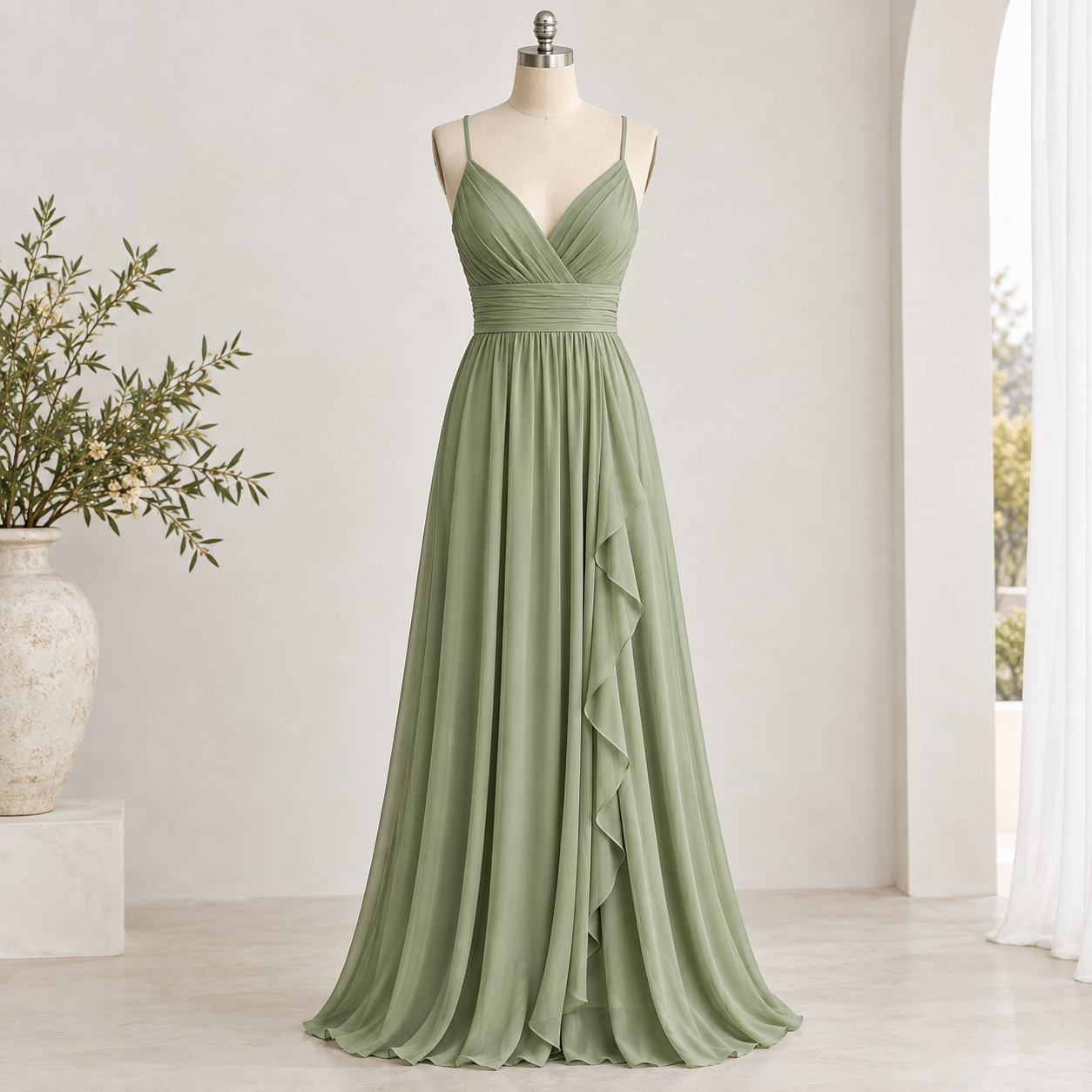
Let the Route Determine the Length.
A floor-length dress may be appropriate, but the bottom of the dress must match the surface and footwear. Even a dress that barely, or not at all, brushes a clean indoor floor can catch as the wearer steps uphill or into damp sand.
Complete the Hem Working-Clearance Test.
Try on the dress with the real shoes. Walk on a slope, step onto a curb and sit without picking up the full skirt in your hands.
Deliberately Use Midi Length.
A midi dress eliminates many of the ground-level issues, but if your lower leg is showing, the shoe takes on new significance. Avoid a number of horizontal lines that compete for dominance from the hem, ankle fastening and shoe opening.
Choose Shoes Before Changing the Hem.
Footwear is an element of engineering a beach look. The stable choice will distribute the pressure, remain affixed during a long step and will not present abrasive hardware to a delicate skirt.
Keep the Pressure Area Broad.
● Try the shoe on sand, not just a hard floor.
● Don’t have sharp ornaments that catch the hem.
● Perform a grip check if the reception transitions to tile.
● Avoid changing the relative height of any backup pair.
Make a Plan for Wind Above the Waist.
Loose necklines, wrap fronts and long ties can move prior to the skirt. The shape of the bodice should not change when the wearer turns, reaches and sits.
Secure One Point.
A discreet snap, secure straps or a well-placed tie can support the neckline while keeping the look clean and simple.
Keep Accessories Controlled.
Wear earrings, necklaces and bags that won’t interfere with any moving cloth. The dress may already have movable aspects, along with long earrings or loose hair.
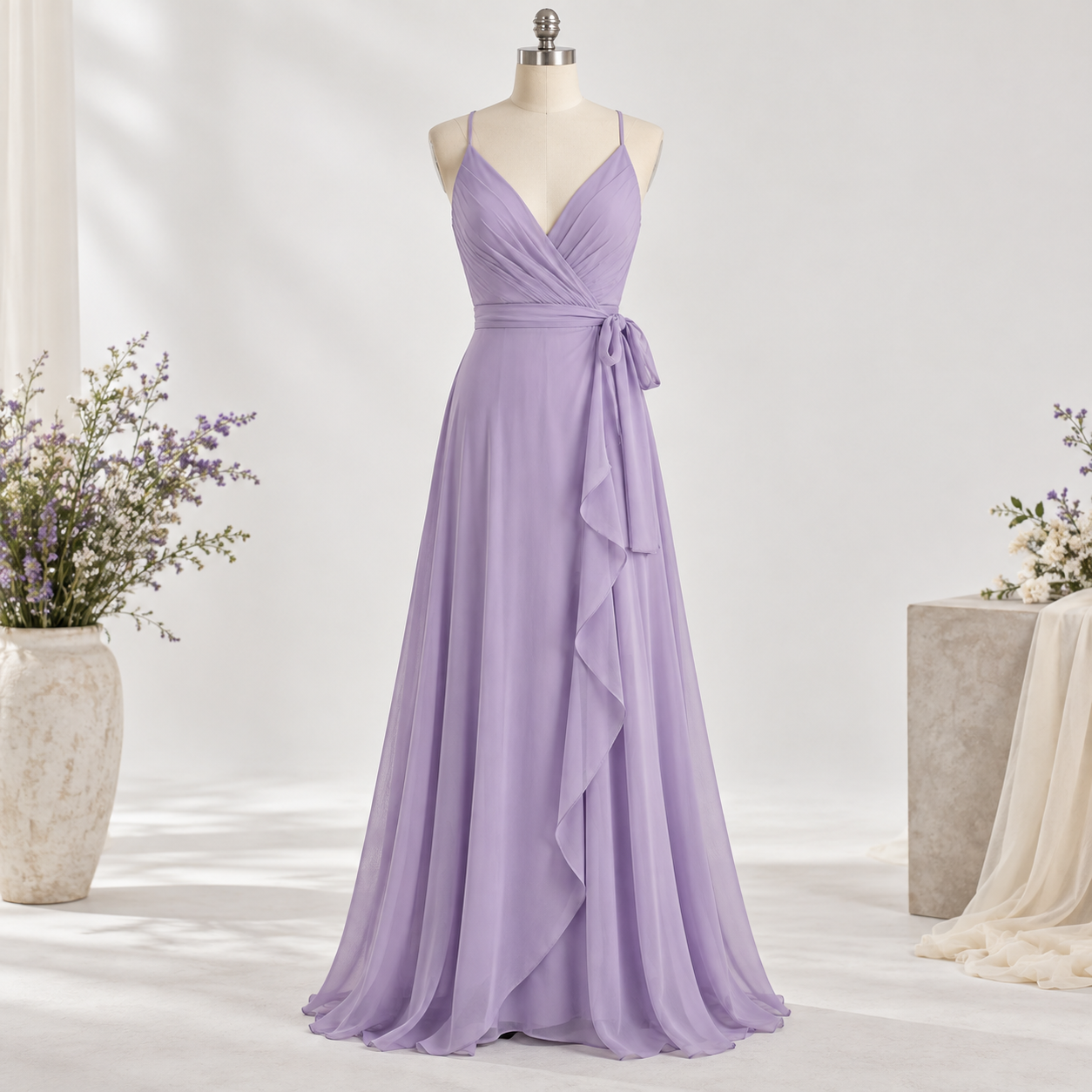
Hone In on Color Without Entering Bridal Territory.
Shades of pale blue, coral and green, as well as prints and toned-down neutrals, are often ideal for a coastal area. White, ivory and very light champagne should be used with more caution unless the couple has asked for them.
Follow the Wedding’s Color Rules.
If the invitation has a palette, figure out if it is to give direction to guests or information about the wedding party. If not sure, choose a color that is complementary to the environment but not exactly similar to the bridal or bridesmaid colors.
Get Ready for Salt, Heat and Indoor Cooling.
It is possible to have to handle direct sunlight and strong air conditioning in a single hour. A light layer should be strategically added to the dress and not used as an emergency outer layer.
Create a Removable Layer.
A fine wrap or light tailored layer can be worn if it is appropriate in length and color for the dress. Try it both worn and carried.
Have a Small Recovery Kit.
● A clean handkerchief or blotting paper.
● Fashion tape for a shifting neckline.
● An appropriate stain cloth for the type of fabric.
● A compact layer for the indoor reception.
Take a Look at Beach Dresses as Moving Garments.
For brands, beach occasionwear should be evaluated according to movement, light and surface, and not solely based on one model standing still. The sample review should include hem clearance, lining opacity, strap stability and fabric recovery.
Evaluate the Sample in Real Conditions.
Dongguan Siyinghong Garment Co., Ltd. provides custom development and production of dresses. A practical brief records the planned venue, lining coverage, finished length and movement requirements prior to approval.
Siyinghong women dress manufacturer
CTA: Talk About a Custom Beach Wedding Dress
Outfit the Shore.
The best beach wedding attire doesn’t take a stand against the setting. It takes wind, surface, light and temperature as design data and maintains the formal signals clearly enough to do justice to the occasion.
FAQ
Is It OK to Wear a Maxi Dress to a Beach Wedding?
Yes, if the hem is above the surface with the shoes the skirt is designed for, and if the skirt will recover from the wind.
Which Shoes Are Best for Going on Sand?
Stable flats, broad soles and low wedges typically are more effective than narrow heels on soft sand.
Is It Okay to Wear Black to a Beach Wedding?
Typically, that depends on the hosts and what they say. Select clothing and other items to maintain the appropriateness of the attire for the time and place.
Do I Need to Wear a Jacket?
A light, coordinated layer is useful when the reception is brought inside or the temperature drops after dark.
Post time: Sep-24-2026