Cocktail dresses cover tight mini dresses, knee-length dresses and adorned party fashions. An indistinct brief can thus result in products that overlap and are hard to reprice and reorder.
An effective OEM program starts with assortment logic: what is the purpose of each style, who will wear it and what makes it different than the next dress on the rack.
Cocktail Dress is a Use Category, but not a Length.
The definition that is useful starts with occasion, movement and customer expectation.
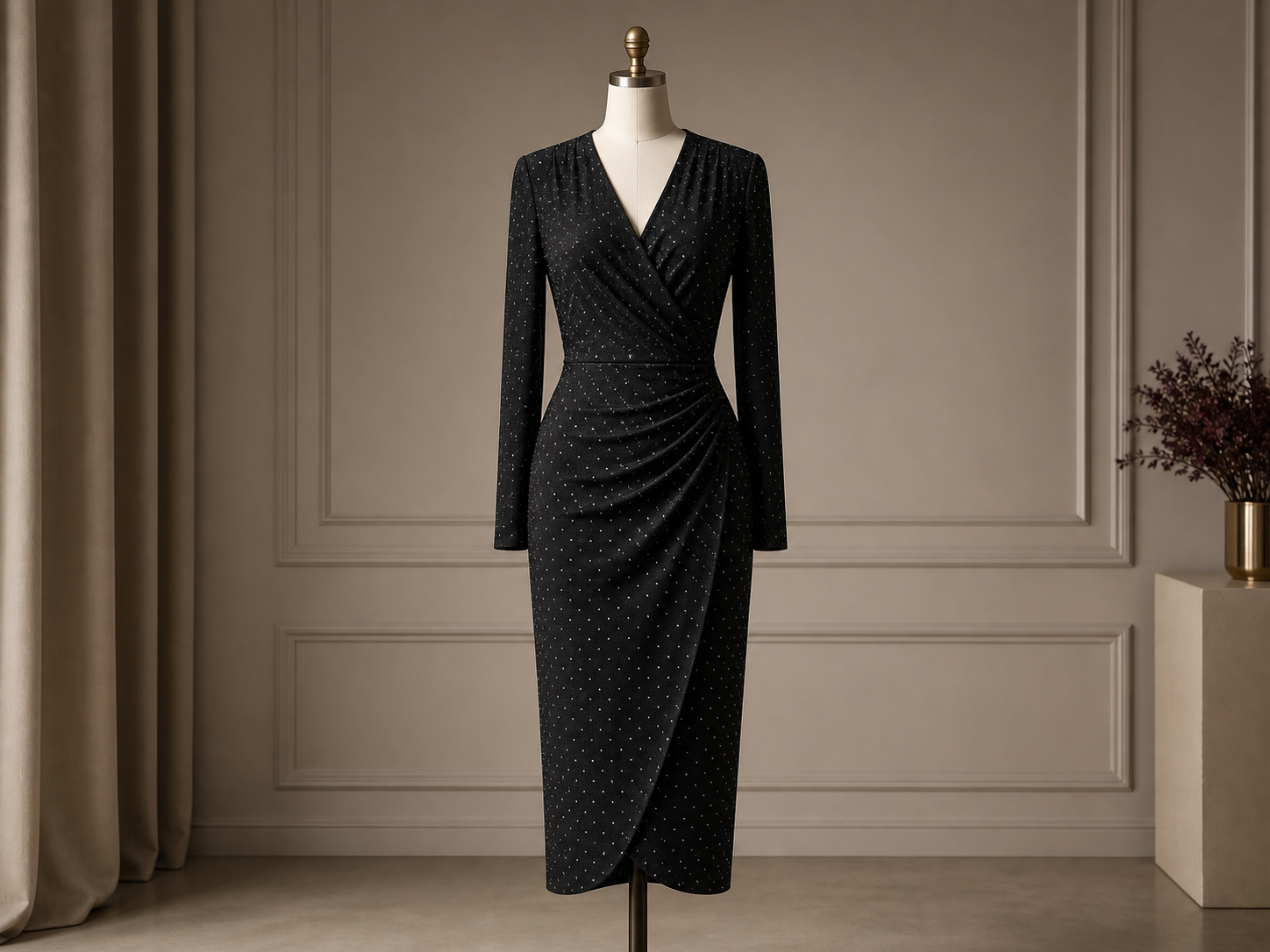
Start with what the customer is doing.
A dinner in the restaurant means sitting comfortably; a rooftop party means safe motion. Corporate events can be in need of coverage and fashion events can support sharper necklines. Occasion defines the product boundaries and then ornamentation is taken into account.
Write a sentence that describes the style.
Instead of “a beautiful cocktail dress,” “a polished evening mini to use during warm weather” is more useful. The second statement dictates length, sleeve, lining, color and target price. The first leaves the factory to fill in the commercial gaps.
Assign the Collection Three Jobs.
A narrow range gets more intense when a design is dedicated to a specific commercial task.
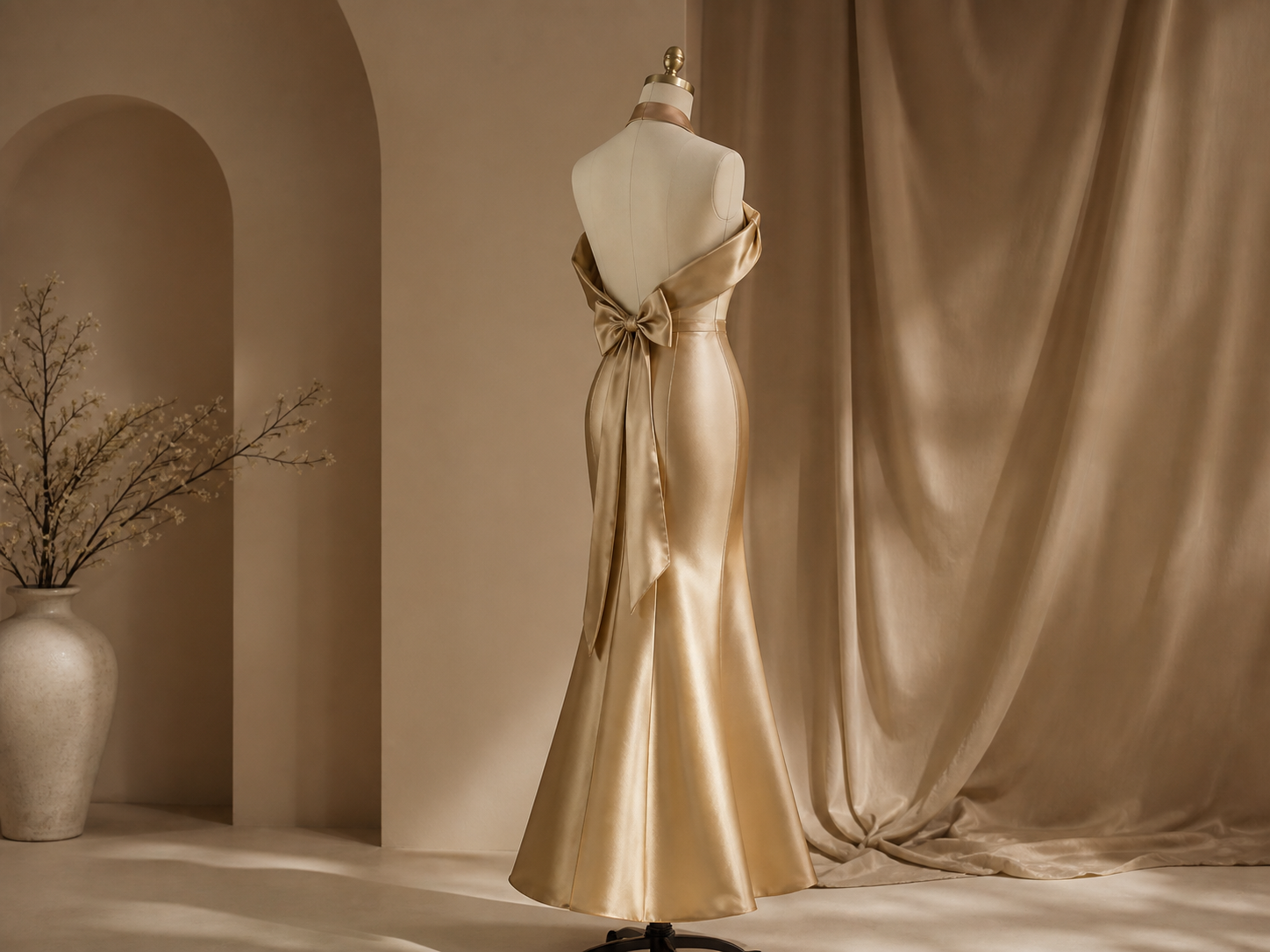
The volume style must be simple to comprehend.
It is typically the dress that a buyer can reorder: a shape that is recognizable, reliable fit and fabric that can be reproduced. It must not be simple, but its popularity must outlive more than a single color and more than a selling month.
The style of the image wins more attention than volume.
Campaign imagery may take an asymmetric neckline, dense surface or dramatic volume. It can have a different cost and size distribution as core style and need to be ordered separately.
The bridge style bridges the gap between new and wearable.
A bridge style can take the detail or color of the image piece and adopt a more available shape. It maintains the mix in a visual association without having all the dresses fighting over the same consumer.
Set the Price Architecture First.
The targeted retail ladder must regulate investment of product value.
Cost must follow the role of the dress.
Target cost dictates the capability of a style to support custom-dyed fabric, separate lining, molded cups or special trims. Introducing it late can force the elimination of the feature that was the cause of the design.
Request the factory to provide the cost drivers, not a single total.
- Shell and lining consumption, such as usable fabric width.
- Pattern and sewing complexity created by the silhouette.
- Cost of decoration, location, thickness and fastening.
- Specific parts, packaging and testing considerations.
Build Silhouette Families, Rather Than Unrelated Samples.
Variety may be generated through related pattern foundations with preservation of knowledge in development.
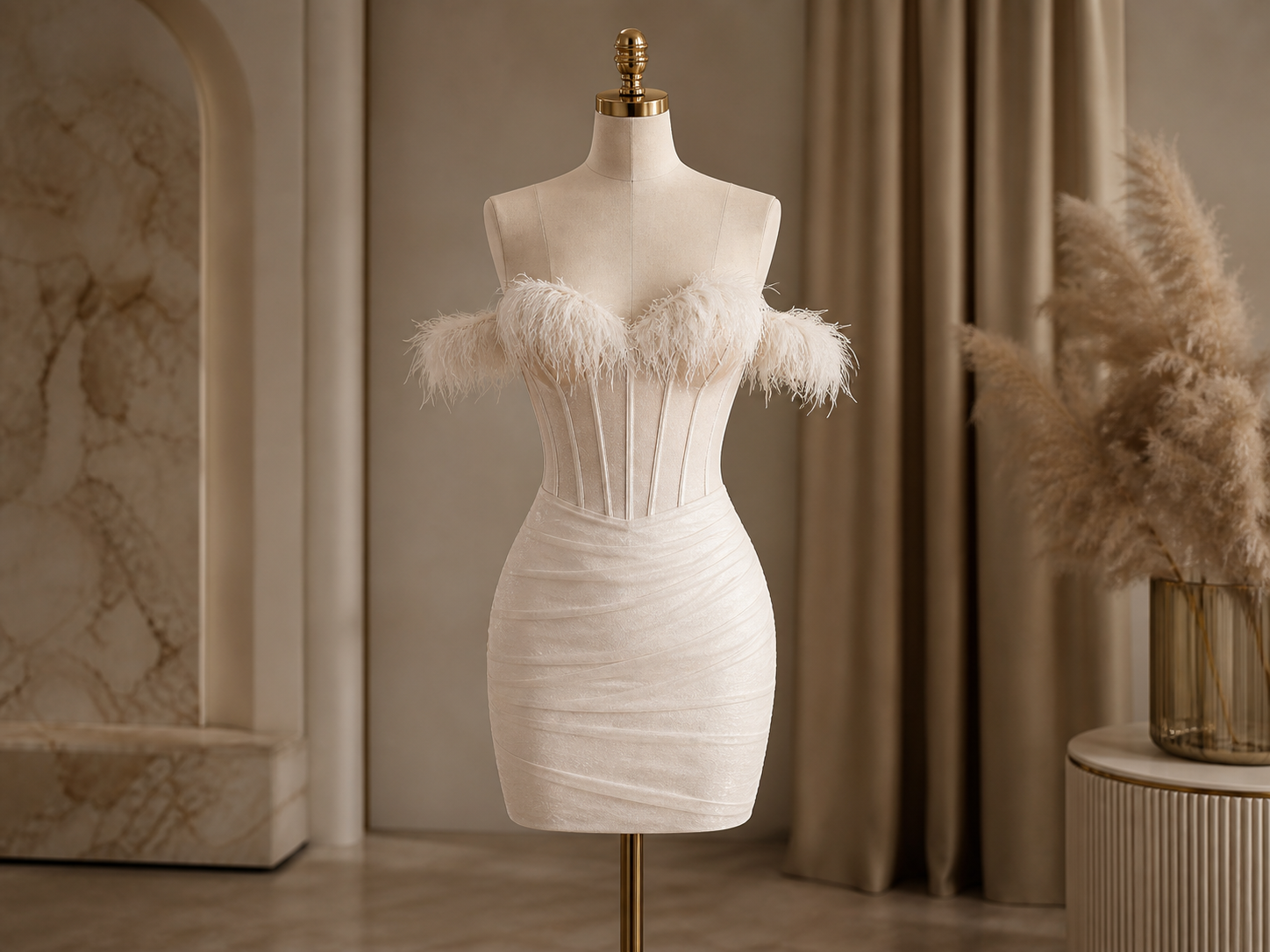
Reuse an established block without creating duplicates of dresses.
A single fitted bodice can serve a variety of purposes: a straight skirt, a smoothly flared skirt or a layered overlay. Shared blocks save on repeated work of the fit, and neckline, surface and proportion are used to make a visual difference. It is not about imitating a style but about using previous knowledge which has already been paid for.
Know when a new block is justified.
A strapless corseted style and a casual bias dress should not be pushed onto the same foundation. Their support, ease and movement are fundamentally different. When the customer promise has changed, then a new block is worthwhile, but not merely because a new sketch has come.
Designate Every Cloth to a Business use.
The selection of materials should explain the mood and the selling role of a style.
Separate price and mood with fabric.
Stretch crepe may support a reliable fitted look; satin may furnish a more directional look; velvet may support a winter capsule; sequin net may provide the picture item. Selecting fabrics according to role does not allow three different dresses that have varying prices to appear nearly the same on the internet.
Repeatability should not be confused with fiber name.
Two satins may vary in lustre, seam marking, opacity and shade stability. Check available width, color stocking, lead time and dye minimums. An attractive cloth that is not reorderable can only be used in a few styles.
Plan Color as Inventory, Not Decoration.
The choice of colors influences minimums, photography, exposure to replenishment and markdown.
Provide each color with its purpose.
Black does not necessarily have to be a component of all styles. A solid colored dress can tighten a clean volume dress, and light colors reveal satin structure. Plan color round photography, minimums and duplication of dyes throughout the range.
Guard reorders of realistic material commitments.
Inquire what base cloth is available to be held up, what colors are on stock and which need to be re-dyed. The reorder plan must be agreed upon prior to closing the first bulk order as repeating a shade with a new dye lot might not match perfectly.
Maintain the Customer Experience Style to Style.
The visible variety is the most powerful when the hidden quality standards of the brand are fixed.
Choose what ought to be familiar.
The collection should seem related by size naming, overall fit philosophy, lining quality, zipper behavior and labeling. A customer can tolerate various silhouettes, but she must not feel like one fit is unusually tight and another one is uncharacteristically generous in the same labeled size.
Visible design details should be more diverse than hidden standards.
Necklines, hem and embellishment may vary; seam comfort, attachment security and finish must not. An obvious universal benchmark provides the manufacturing facility with a space in which to create unique appearances without altering the quality expectation of the brand between one style and another.
Select the Assortment in Commercial Risk Sequence.
Unit exposure, novelty and technical uncertainty should be reflected in development order.
Do not develop all styles simultaneously.
The image piece might require an early experimentation of material and decoration. The first style that should be given the priority of the earliest fit is the volume style since it has more units. On the shared block and color direction being stable, a bridge style may come thereafter. This order does not allow the most interesting sample to eat the entire calendar.
Check the collection prior to bulk approval.
- Ensure that silhouettes are used by different customers or events.
- Compare visible product differences to retail price steps.
- Eliminate colors or features that add no additional requirement.
- Ensure that launch and reorder windows are the same as material lead times.
Shape the First Buy with MOQ and Reorders.
Starting amounts must cushion cash while providing a viable path to repeat winners.
Material, color and process should be discussed in MOQ.
A single such headline may conceal multiple commitments. A smaller order of color can be supported by a stock black fabric, while a custom colour or hand-applied trim may require more units. Determine where minimums occur in practice so that quantities can be focused on the styles which are most likely to recur.
Allow space to get lessons during the initial selling weeks.
A wholesale stock has more strength in situations whereby the initial purchase does not take all the units of demand upfront. In case a core fabric and trims can be stocked, the brand will be able to respond to the winning silhouette or color rather than to reorder the entire range without any thought.
Conclusion
The development of cocktail dress OEM is suitable as a business system. Defined roles of style, price jumps, fabric uses and reorder rules generate diversity without adding non-productive production risk.
FAQ
These responses focus on typical purchasing and development choices to cocktail dress programs.
What is the number of silhouettes that a cocktail dress capsule should have?
No specific amount. A specialized capsule might just require a volume style, an image style and a bridge style, but each would be used on a different customer or occasion.
What would a brief on cocktail dress sourcing entail?
Add the customer, occasion, retail positioning, silhouette, length, size run, fabric direction, color quantities, target cost, launch date and reorder anticipation.
How does a brand cut the cost of development without making similar styles?
Use established blocks and internal references yet modify neckline, skirt treatment, surface, sleeve or proportion in such a manner that creates a truly different commercial role.
What are some things that buyers should compare among cocktail dress manufacturers?
Compare collection interpretation, fabric sourcing, fit capability, decoration control, transparent costing, material traceability, realistic capacity and reorder support.
Post time: Sep-07-2026