An A line dress is given the title of a shape that seems to be simple on paper: a narrow shape at the top, a wider shape at the bottom. That clean outline can be erased in minute details in production. The flare can start prematurely, the side seam can swing forward, or an open area of the hem can keep falling after the sample is approved.
The buyer is not purchasing a triangle. The item is reliant on the location of release into the skirt, the transportation of that release by the cloth as well as the preservation of such equilibrium during grading. The pattern and measurement sheet should show those choices prior to the factory cutting a full size line.
Name the Point Where the A Begins.
There are forms of A line dresses that are tailored at the waist; others skim the hip and then open. An A shape may also occur due to a loose shift without a distinct waist seam. Indicate point of release to be desired and scale out distance with a fixed land-point, since mere idea of a line does not convey to the pattern-maker where to start the volume.
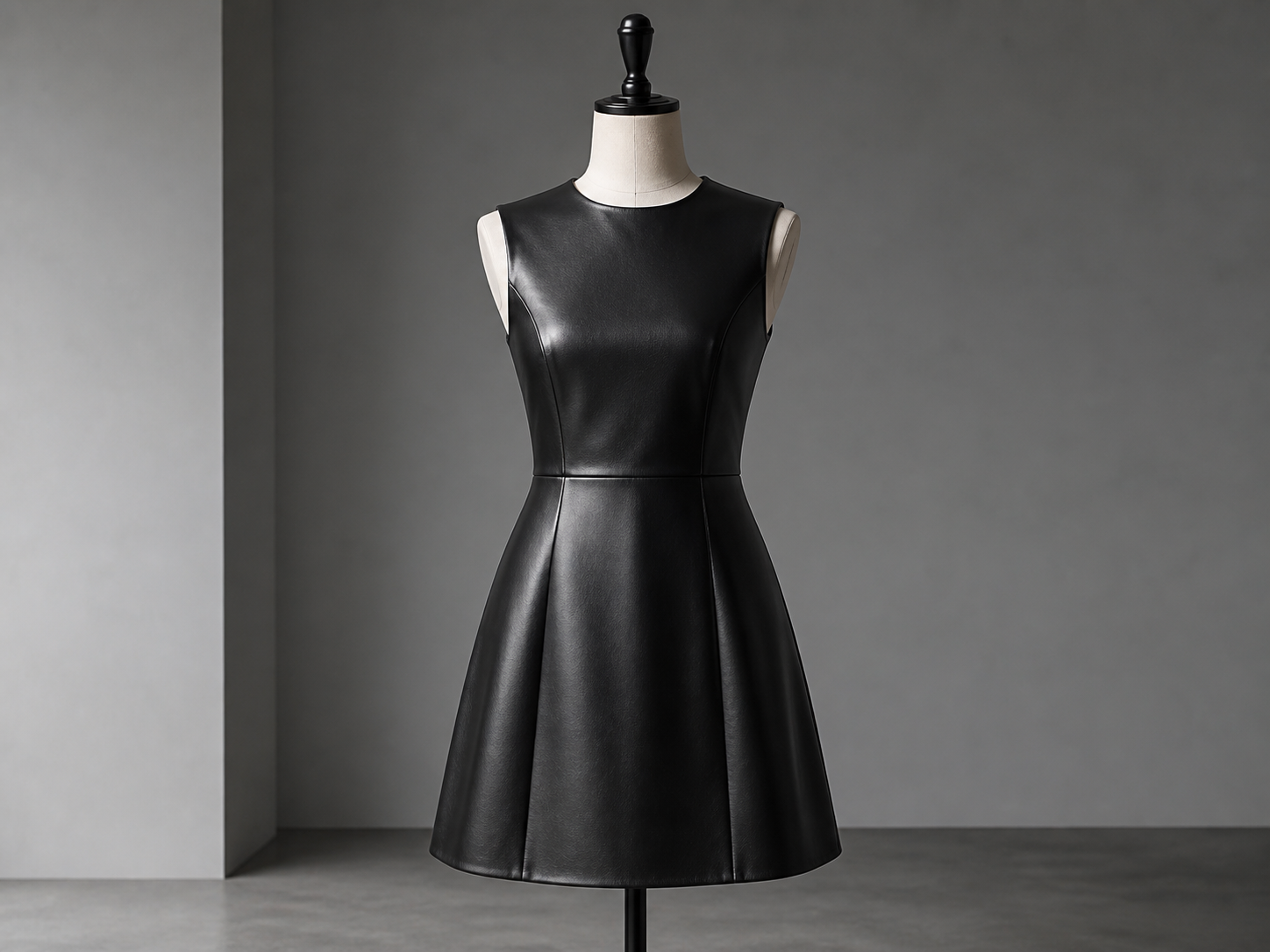
Separate silhouette from ease.
Increased circumference does not necessarily make a superior flare. Extraneous ease above the release point can make the body appear boxy whereas lack of sweep below the release can make the dress appear straight. Body ease and hem sweep are separate decisions.
Weigh The Back and Front And then Style The Hem
The position of the skirt relies on the bust projection, shoulder slope and shape of the seat. When the front and back length is only balanced on a table, the completed hem might be rising in front, or even dropping behind on the body. The first step is checking the line of the waist or high-hip and then aligning the hem with having the desired footwear on.
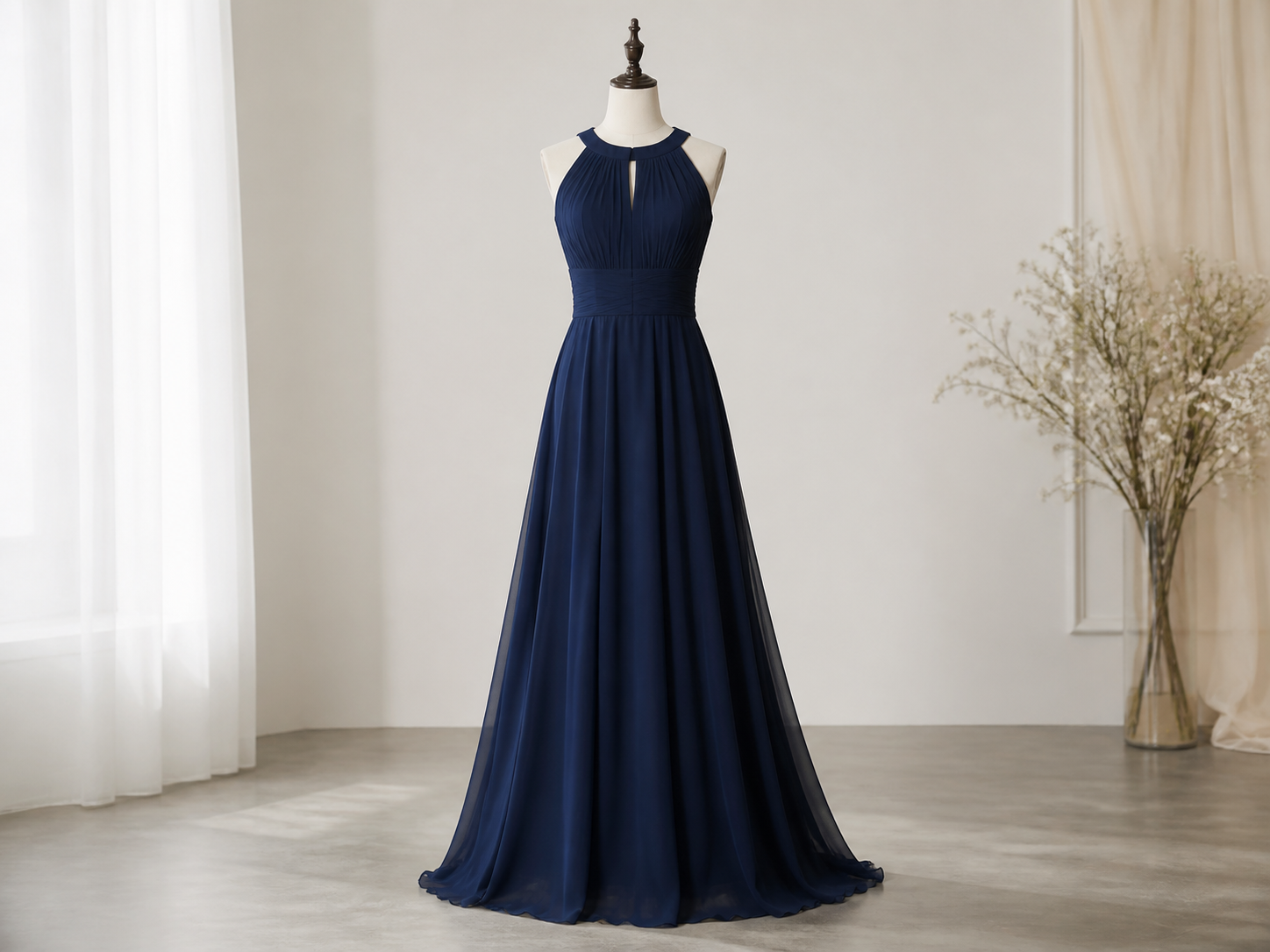
Use side seam as a cautionary measure.
When the side seam curves forward it can be a sign of a lack of volume at the front; when it curves backwards, it might indicate too much volume. Play up the balance prior to clipping the hem. Otherwise the visual problem is concealed and not resolved.
Fabric Behaviour Selects the Pattern Response.
The identical fashion can not be carried across crisp poplin, fluid satin and lightweight chiffon. Weight, stability of the grain and recovery influence the time of skirt opening and the further development of parts after the cutting. The comparison below transforms fabric behaviour into a production decision, as opposed to a styling adjective.
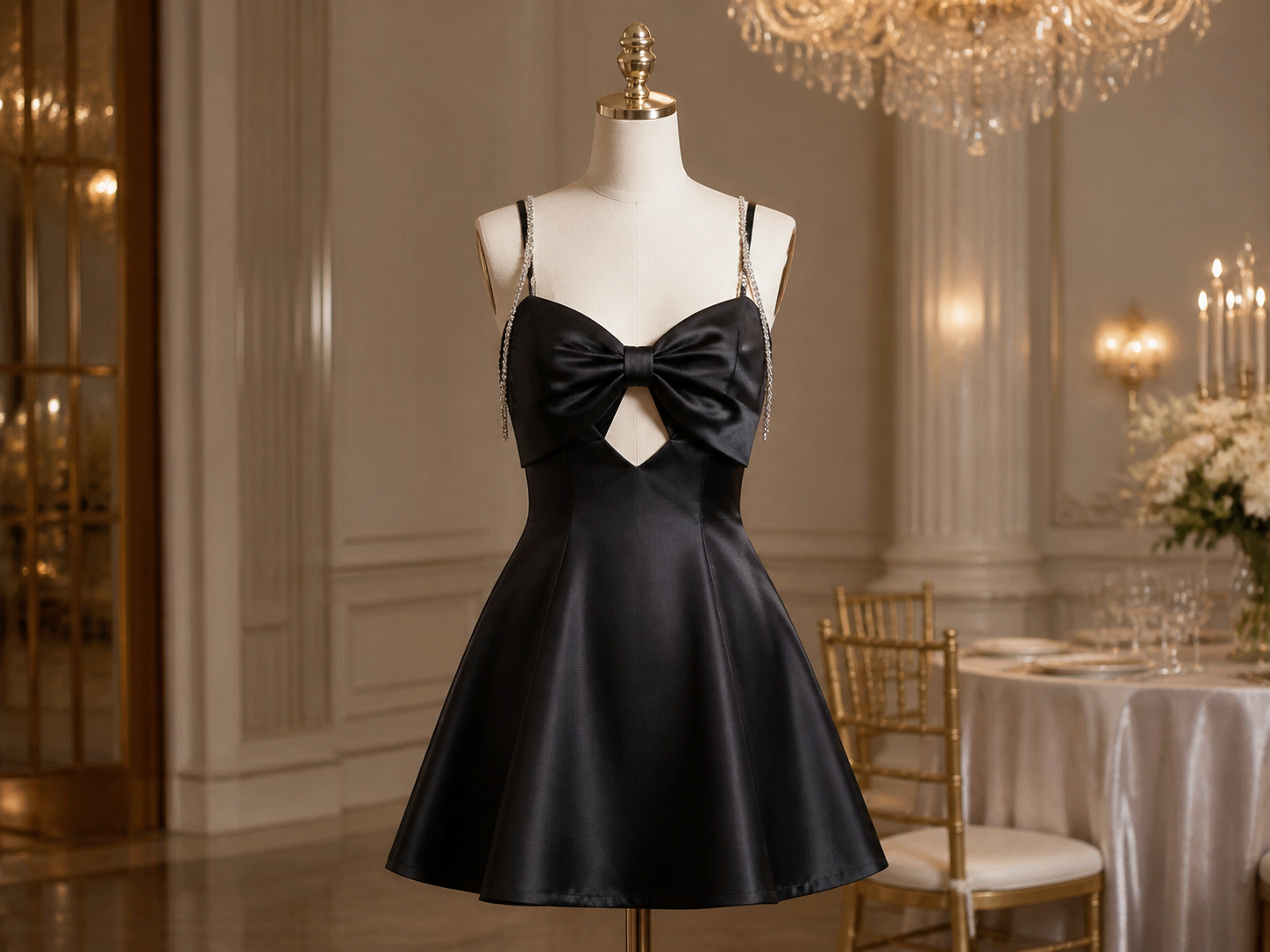
| Fabric behaviour | Pattern response | Final check |
| Crisp, stable woven | Diffuse flare with seams or controlled panels. | Side seams are kept straight and the hem is not piled out. |
| Crepe or satin fluid. | Minimize unsupported bias and allow panels to hang. | The hem remains even after resting and pressing. |
| Light chiffon, or rayon. | Layer movement and the relationship of linings. | Outer layer and lining keep a deliberate difference in length. |
Tame Grain till It Becomes a Shrivelled Hem.
The natural placement of areas towards bias is inherent with an A line skirt. Such regions are capable of extending themselves by their weight. Mark the grain direction on each panel, have mirrored pieces in one place, and establish the length of pieces to be cut or complete samples to rest before it is time to measure the final hem.
Note the hem at more than two points.
Centre front and centre back are not sufficient. Measure the high-point-shoulder-to-hem route at the center front, side front, side seam, side back and center back. The additional landmarks show a panel which has fallen in front of the dress before it has hit bulk inspection.
Add a Pocket without Taking the Skirt off Line.
Pockets can be handy, but when one uses a heavy pocket bag or low opening, the pocket will pull the light skirt to the side. Load the garment with a phone or other similar retail load. Approve the pocket placement, reinforcement and bag material with the outer fabric; do not add them after the silhouette is signed off.
Test the dress by putting hands in pockets.
The wearer alters the skirt by using the pockets. Ensure that the waist does not drop, the opening does not gape and the side seam returns to place once the hands are taken out.
Grade Flare is a Shape, not a Fixed Addition.
Stitching an equivalent at each circumference of the skirt may result in overly large and straight small sizes. Keep the desired relationship between waist, high hip and release point and sweep. Check the distribution of the flare and not just the end circumference.
Compare size of silhouette photographs.
Take pictures of the smallest, middle and the largest sizes of development at a distance. The angle between the release point and the hem should be one family irrespective of the exact sweep variation.
Have a Bulk Check Which may be repeated fast.
Balancing of a line is less complex to control when inspection points are limited, and precise. Provide the production team with recheckable checks on the flat garment on a verifiable mannequin or a fitting body.
Make the list of inspection real.
The last inspection must verify:
- The result of the release point and the high-hip position or waist is in line with the approved sample.
- Side seams hang in the accepted direction.
- After the mentioned time of rest, hem measurements are taken.
- Outer fabric, lining and pocket bags do not pull against one another.
Conclusion
It is the ability to join an A line dress with a controlled transition, and does not necessarily mean it has a wide hem. With a combination of release point, grain, front-back balance, pockets and grading, Siyinghong can reproduce the same clean outline regardless of the fabric and size. Siyinghong does not have to repeat the correction of the hem at the end of a production cycle.
FAQ
Are all flared dresses A line dresses?
No. The line A silhouette is enlarged in a graduated manner downward starting in a sharp top. Another logic of construction can be assumed through a gathered or circular skirt, which causes volume.
Why is an A line hem not even after sewing?
The finished level can vary due to bias growth, variation in the grain, fabric weight, lining tension and the improper balance of the body.
Is the hem-sweep of all sizes the same?
Not necessarily. The sweep is to be graded so as to be graduated in such a way that it maintains the desired silhouette and motion instead of a single number.
When should the final hem be approved?
Accept it once the full garment has relaxed following a stipulated duration and has been tried on the body using the desired shoes and lining.
Post time: Sep-02-2026