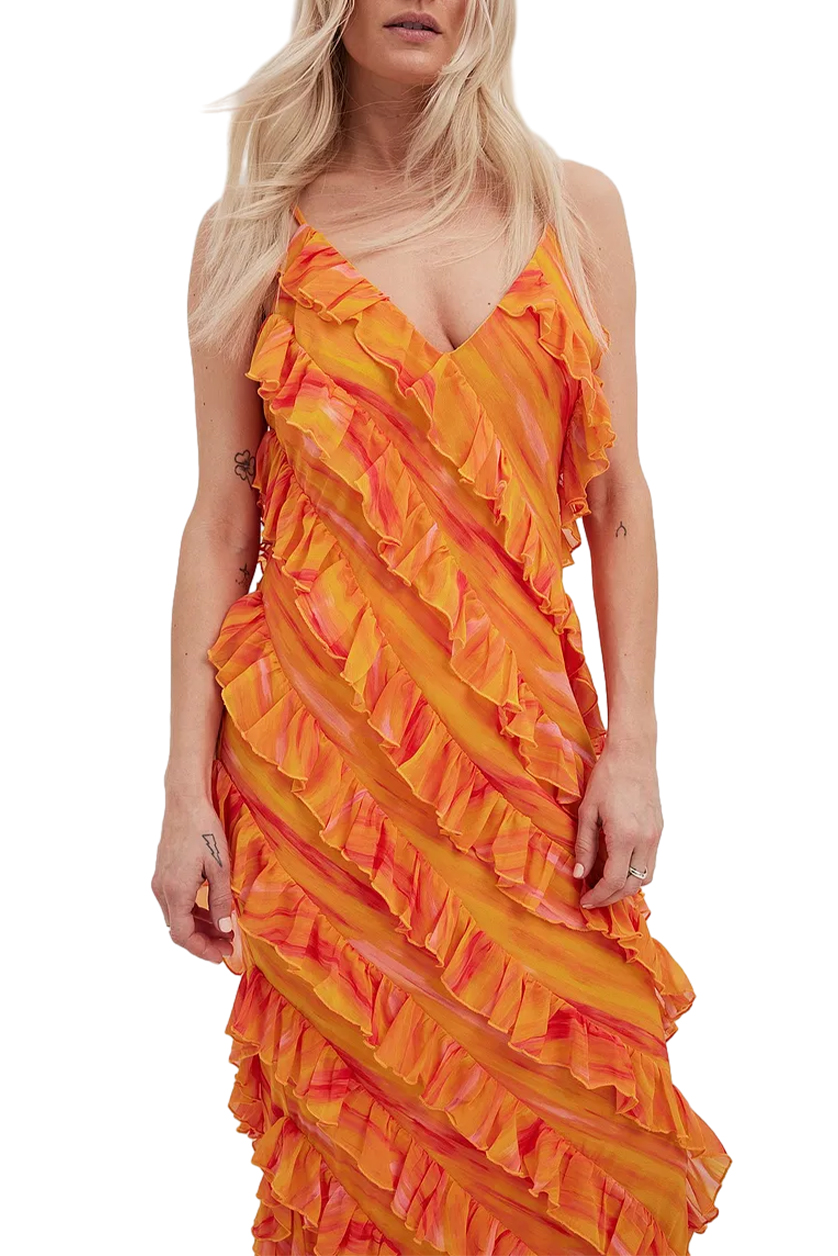
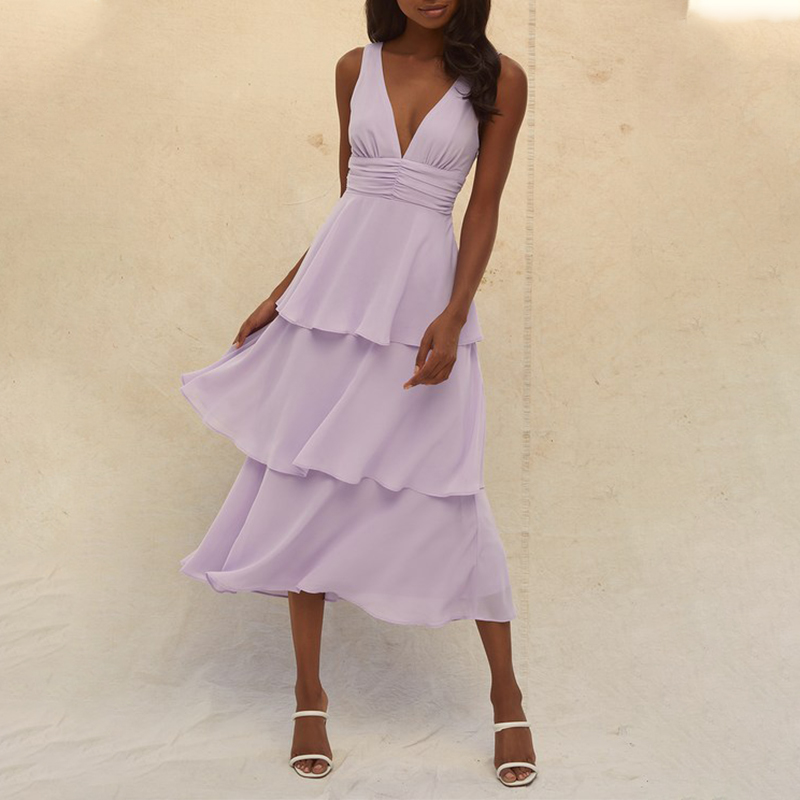
I’m a China-based Manufacturer who makes the custom gradient dyeing dress for fashion houses and retailers who demand consistent color transitions and premium fabrics. Every piece is designed for easy branding, with color gradients flowing smoothly from seam to seam. We use eco-friendly dyes, fast dyeing cycles, and strict QC checks to guarantee shade accuracy at scale. You’ll appreciate our flexible MOQ, sample program, and short lead times for bulk orders. Our team collaborates with you from concept to cutting, offering color-matching, fiber options, and size grading to fit your collection. I can provide detailed spec sheets, production timelines, and reliable shipping terms to help your procurement team decide quickly. For buyers in China or overseas, we deliver dependable quality at competitive prices, aimed at grow your catalog. If you seek a dependable partner to produce a memorable custom gradient dyeing dress, we’re ready to talk and tailor a plan that fits your brand.
Delivering custom gradient-dyed dresses that meet global retail and boutique standards requires an end-to-end solution trusted by professionals. From fabric sourcing and lab-dips to precision color blending, pattern making, and graded production, our streamlined workflow ensures consistent fades, excellent colorfastness, and reproducible results across runs. We support design collaboration, sustainable dye options, strict QC testing (wash, light, perspiration), and flexible MOQs to fit both sampling and large-scale orders. Reliable lead times, transparent pricing, and coordinated logistics help turn approved samples into on-shelf product efficiently. With experienced production oversight, inline and final inspections, and packaging tailored for international shipping, we minimize risk and speed time-to-market—making it easy for global buyers to scale seasonal collections or launch new gradient-dyed lines with confidence.
| Technique | Fabric Type | Dye Class | Gradient Style | Washing Fastness (ISO 105‑C06) | Light Fastness (ISO 105‑B02) | Dimensional Change after Washing (ISO 5077) | Recommended Care | Lead Time (days) | Yield Rate (%) | Water Use (L/kg) | Energy Use (kWh/kg) |
|---|---|---|---|---|---|---|---|---|---|---|---|
| Dip-gradient reactive | 100% Cotton (single jersey) | Reactive dyes | Top-to-bottom ombré | 4 (good) | 5 (very good) | −2.0% | Cold wash, gentle cycle | 10 | 95 | 80 | 3.2 |
| Acid dye gradient | 100% Wool (knit) | Acid dyes | Halo gradient (radial) | 3–4 | 4 | −3.0% | Hand wash cold, reshape | 12 | 92 | 65 | 4.0 |
| Disperse high-temp gradient | 100% Polyester (knit) | Disperse dyes | Subtle horizontal fade | 4–5 | 4–5 | −1.0% | Machine wash warm | 15 | 96 | 40 | 5.5 |
| Low‑liquor continuous reactive | Cotton poplin (woven) | Reactive (low‑liquor) | Diagonal ombré | 4 | 5 | −1.8% | Cold gentle wash | 8 | 97 | 30 | 2.8 |
| Vat dye gradient | Linen (woven) | Vat dyes | Strong contrast dip | 5 | 5 | −4.0% | Hand wash; air dry | 14 | 90 | 90 | 3.8 |
| Pigment spray gradient | Cotton blend 55/45 (woven) | Pigment (binder) | Spray-splashed ombré | 3 | 4 | −0.5% | Machine wash cold | 7 | 94 | 20 | 1.5 |