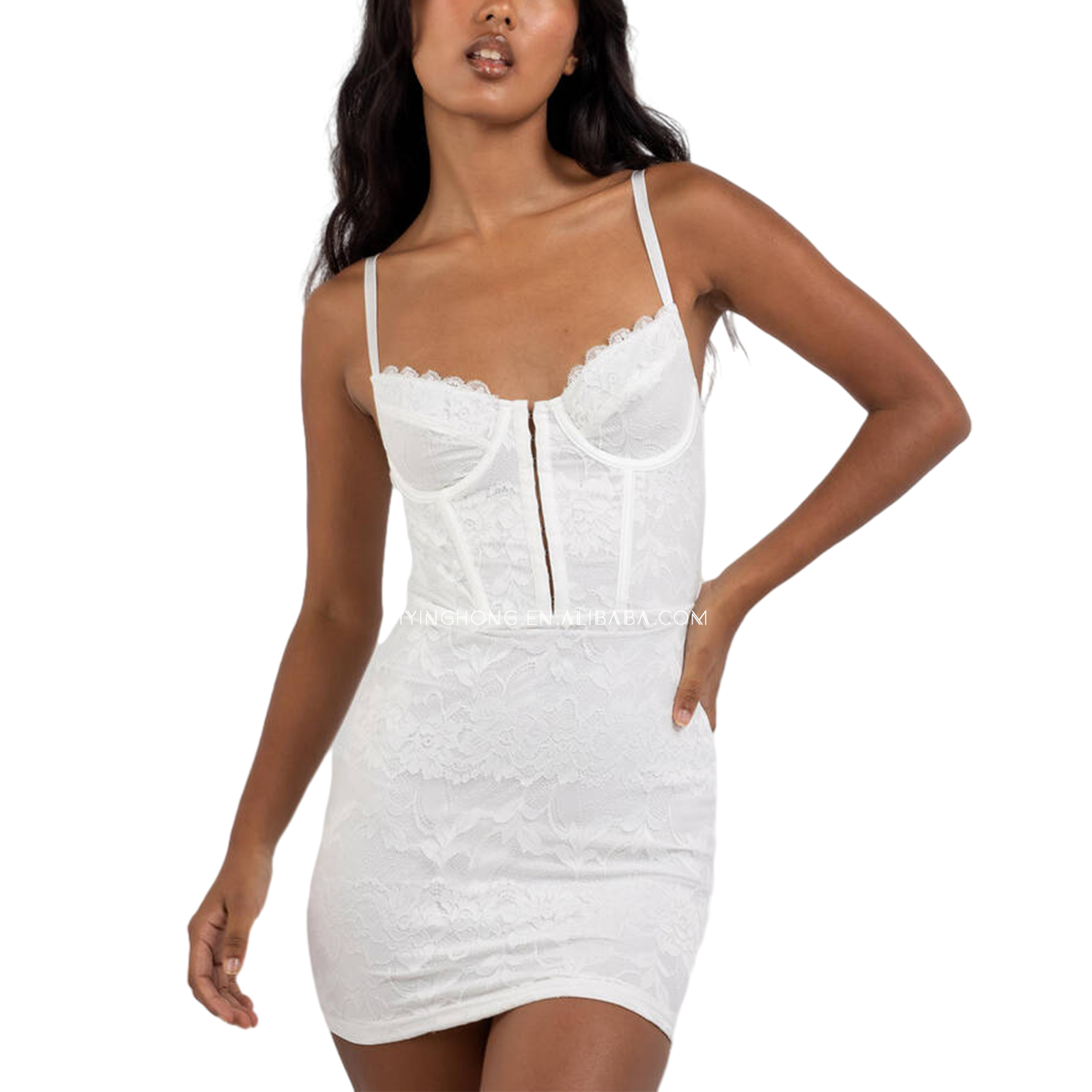
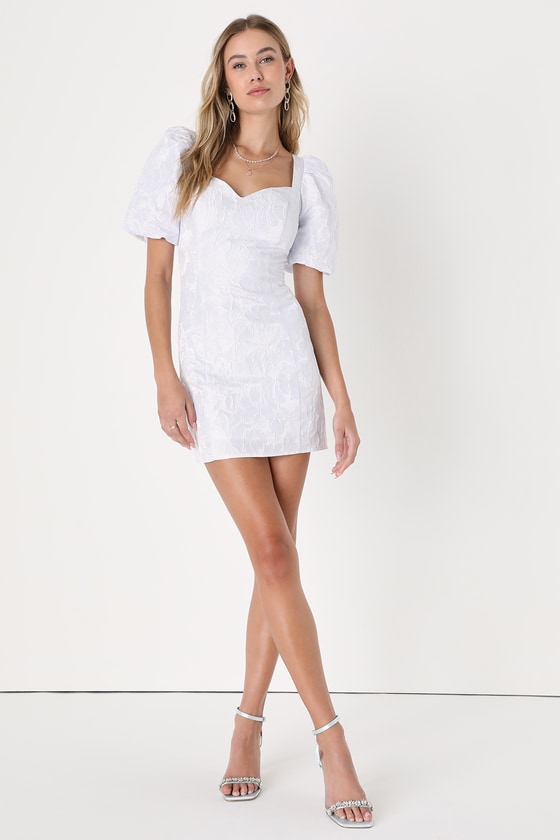
I’m a sourcing specialist at a China-based manufacturer, specializing in custom fabric bridesmaid dresses for wedding brands and retailers. We cut, sew, and customize using premium fabrics like satin, chiffon, lace, and tulle. Tell me your color palette, measurements, and deadlines, and I’ll propose fabrics, trims and construction options that fit your brand’s story and price point. Our MOQs are flexible for trial orders, with competitive lead times and strict QC at every step. We offer ODM and private label packaging for seamless integration into your catalog. Factory certifications, laser-cut patterns, and sample production before bulk orders ensure fit and finish meet high standards. I’ve seen designers in China and overseas achieve faster time-to-market by partnering with us, a reliable Manufacturer with strong logistics, safe payment terms, and transparent communication. Let’s turn your vision into customer-loved custom fabric bridesmaid dresses.
Our factory specializes in custom fabric bridesmaid dresses with a wide fabric library including satin, chiffon, tulle, lace, crepe, and velvet. Clients can choose silhouettes such as A-line, mermaid, and ball gown; necklines from strapless to bateau; sleeves from cap to long; and lengths or trains. A robust sampling workflow supports rapid prototyping, with swatch services to ensure color accuracy and texture. We offer flexible minimums and transparent pricing, and typical sample lead times are 7–14 days. Bulk production scales to meet boutique orders or large wedding parties, backed by in-house quality checks on seams, finishes, and fabric integrity. Global buyers gain a one-stop partner for design, fabric sourcing, production, and delivery. The operation provides precise spec sheets, color matching, packaging and private labeling options, and adaptable lead times. With end-to-end quality control, on-time shipping, and traceable workflows, procurement becomes predictable across markets. The facility welcomes co-design, trend-aligned collections, and seasonal lines, helping buyers shorten development cycles and reduce time-to-market while maintaining consistent fit and garment quality across all sizes and orders.
| Style_ID | Style_Name | Fabric_Type | Fabric_Weight_gsm | Color_Options | Size_Range | Construction | Embellishment | Lead_Time_weeks | MOQ_pieces | Certification |
|---|---|---|---|---|---|---|---|---|---|---|
| S001 | Aurora Chiffon | Chiffon | 70 | Ivory, Blush, Navy, Emerald, Champagne | 0-28 | Fully lined; Center back zipper | Minimal Draping | 4 | 50 | OEKO-TEX Standard 100 |
| S002 | Velvet Grace | Velvet | 360 | Wine, Black, Sage, Nude, Gold | 0-28 | Full lining; Center back zipper | Lace overlay with subtle beading | 5 | 60 | REACH Compliant |
| S003 | Pearl Satin | Satin | 250 | Ivory, Silver, Champagne, Blush | 0-28 | Fully lined; Exposed back zipper | Piping details | 3 | 40 | OEKO-TEX |
| S004 | Rose Lace | Lace + Tulle | 90 | Nude, Blush, Ivory, Eggplant | 0-28 | Lace overlay; Zipper | Floral embroidery | 6 | 30 | GOTS |
| S005 | Garden Tulle | Tulle | 60 | Mint, Sky, Ivory, Blush | 0-28 | Multi-layer tulle; Underskirt | Crystal waist bead | 4 | 50 | OEKO-TEX |
| S006 | Midnight Mikado | Mikado | 180 | Navy, Black, Plum | 0-28 | Structured bodice; Full lining; Invisible zipper | Minimal piping | 5 | 40 | ISO 9001 |
| S007 | Ember Crepe | Crepe | 220 | Charcoal, Burgundy, Emerald, Navy | 0-24 | Darted bodice; Side zipper | Simple pleats | 3 | 60 | OEKO-TEX |