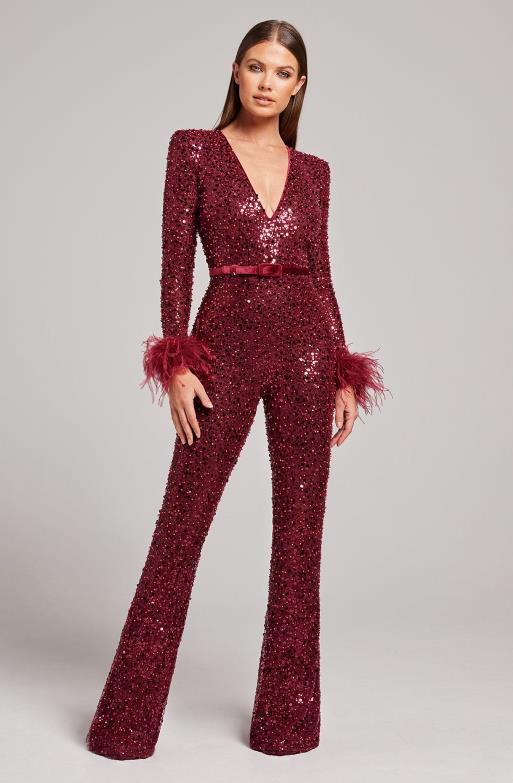
The Clothes Manufacturing Process is a fascinating journey that brings ideas to life, and it's something I’m passionate about! As a manufacturer based in China, I’ve seen firsthand how every step—from design to production—plays a crucial role in creating high-quality garments. We work closely with our clients to understand their specific needs, ensuring that each piece reflects their unique vision. The process begins with selecting the right materials; we source the best fabrics to meet industry standards. Once materials are chosen, our skilled workers handle everything from cutting to stitching, ensuring meticulous attention to detail. What sets us apart is our commitment to sustainability and ethical practices. By choosing us, you’re not just getting a manufacturer—you’re partnering with a team that values quality and responsibility. Let’s collaborate and elevate your clothing line with a seamless manufacturing process that prioritizes your goals. Quality, efficiency, and reliability are what we promise in every stitch!
In the ever-evolving landscape of fashion and apparel, the manufacturing process is critical in ensuring that products not only meet but exceed market expectations. At the heart of quality clothing production lies a commitment to innovation, precision, and sustainability. As we approach 2025, it's essential to embrace advanced manufacturing techniques that integrate cutting-edge technology while maintaining an unwavering focus on quality. The journey of clothing manufacturing begins with the selection of premium materials, meticulously sourced to ensure durability and comfort. Utilizing state-of-the-art machinery, our production process incorporates innovative techniques such as 3D knitting and laser cutting which enable us to produce intricate designs with minimal waste. This commitment to optimizing every stage of production not only enhances efficiency but also aligns with the global push for environmental sustainability. Our dedication to quality control is evident at every phase, from initial design to the final inspection. By employing a skilled workforce and utilizing data-driven insights, we ensure that each garment adheres to the highest standards. This fusion of innovation and quality not only meets the demands of today’s consumers but also sets a benchmark for the future of clothing manufacturing, making it an attractive proposition for global buyers seeking reliable partners in the apparel industry. Embrace the future of fashion where outstanding quality meets groundbreaking innovation.
| Step | Description | Duration (Days) | Technologies Used |
|---|---|---|---|
| 1 | Design and Prototyping | 5 | CAD Software, 3D Modeling |
| 2 | Fabric Sourcing | 7 | Supplier Networks, Sustainable Materials |
| 3 | Cutting and Preparation | 3 | Laser Cutting, Spreading Machines |
| 4 | Sewing | 10 | Industrial Sewing Machines, Automation |
| 5 | Finishing | 4 | Ironing, Quality Control Systems |
| 6 | Packaging and Distribution | 3 | Smart Packaging, Logistics Software |