There are two common meanings of how to measure dress size: measure a body so that the size that fits best is chosen, and measure a finished dress so that its dimensions are known. There is a difference between those numbers. Body measurements are those which characterize the wearer; garment measurements characterize the ease or compression created by the design.
Effective size judgment is thus a process that goes through three steps in that a measurement technique must be applied consistently; it must be known whether the chart contains body or garment measurements and the ease that the silhouette necessitates must be maintained. The final label is the printed size number, not the starting evidence.
Determine What Measurement System You Use
Read the headings and notes on the chart before using the tape. Full bust, natural waist and full hip might be listed in a body chart. A finished‑garment chart can have a half‑width, shoulder‑to‑hem length, unstretched width and stretched range. The retail pages become a combination of the two systems, and thus each field should be viewed independently.
Body Measurements
Describe the Intended Wearer. Take body measurements over the undergarments intended for the dress. Keep the tape level and close to the body without compressing it.
Garment Measurements
Describe the Actual Dress. A flat measurement records the garment in its flat state. It encompasses the shaping and ease created by the design.
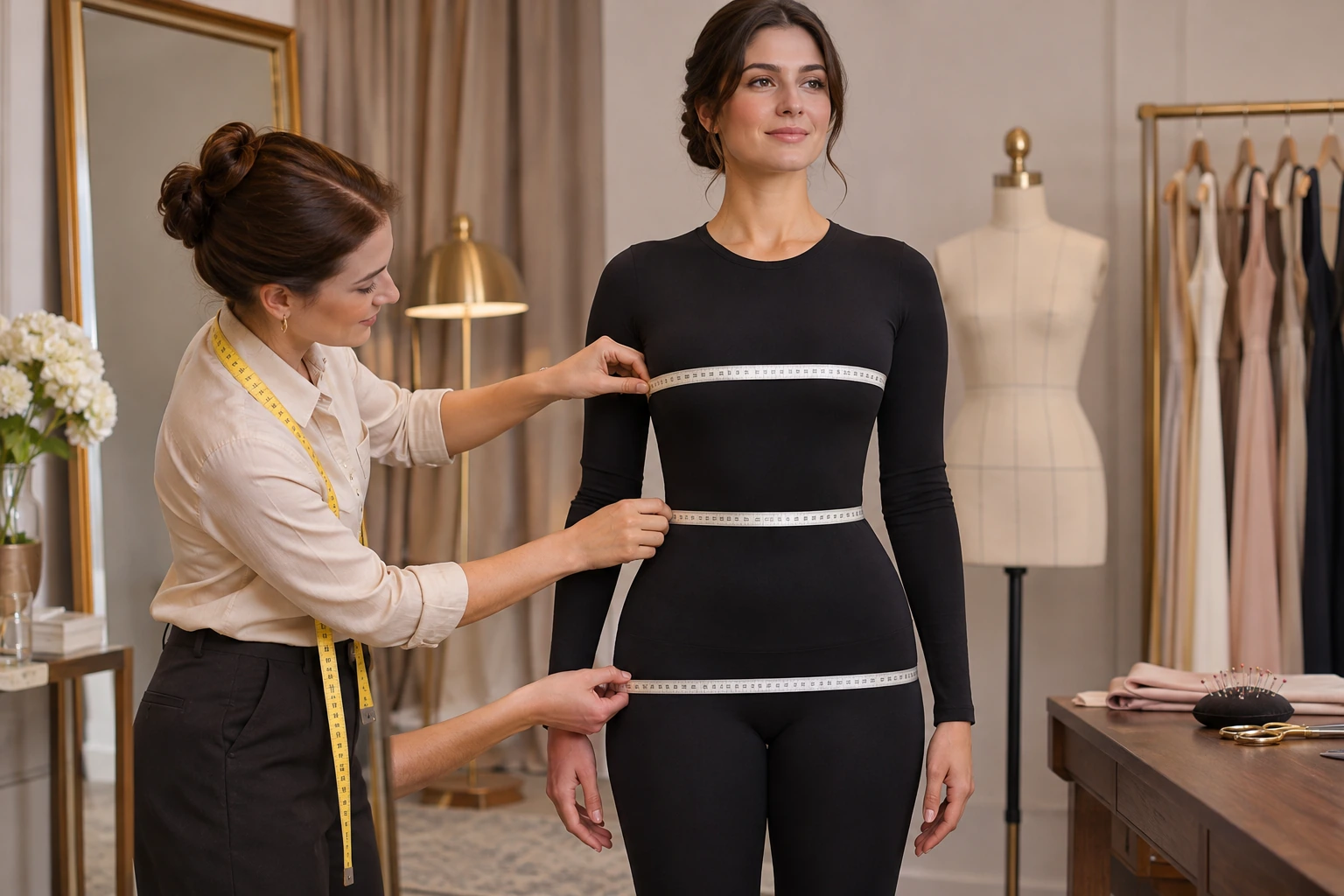
Take the Core Body Measurements
Use a flexible non‑stretch tape and a second person when possible. Stand naturally with the feet together and breathe normally. Repeat each measurement. When there is a discrepancy in the readings reposition the tape rather than averaging a correct and inaccurate attempt.
- [•] Measure Full Bust at the Correct Level: Pass the tape around the fullest bust and make it horizontal across the shoulder blades.
- [•] Find Natural Waist and Full Hip: Locate the natural waist by bending sideways. Measure the full hip around the widest part of the seat.
- [•] Add Vertical and Style‑Specific Measurements: Record shoulder‑to‑bust, shoulder‑to‑waist, back waist length, and hollow‑to‑hem.
| Point | On the body | On a dress that is flat. |
|---|---|---|
| Bust | At fullest chest, even on back. | Across underarms; double only for full circumference. |
| Waist | Approximately at natural torso crease. | Across the defined waist seam; double if necessary. |
| Hip | Around the widest seat and upper thigh. | Across the fullest hip level; double if necessary. |
| Length | Defined point to desired hem. | Named top point to finished hem. |
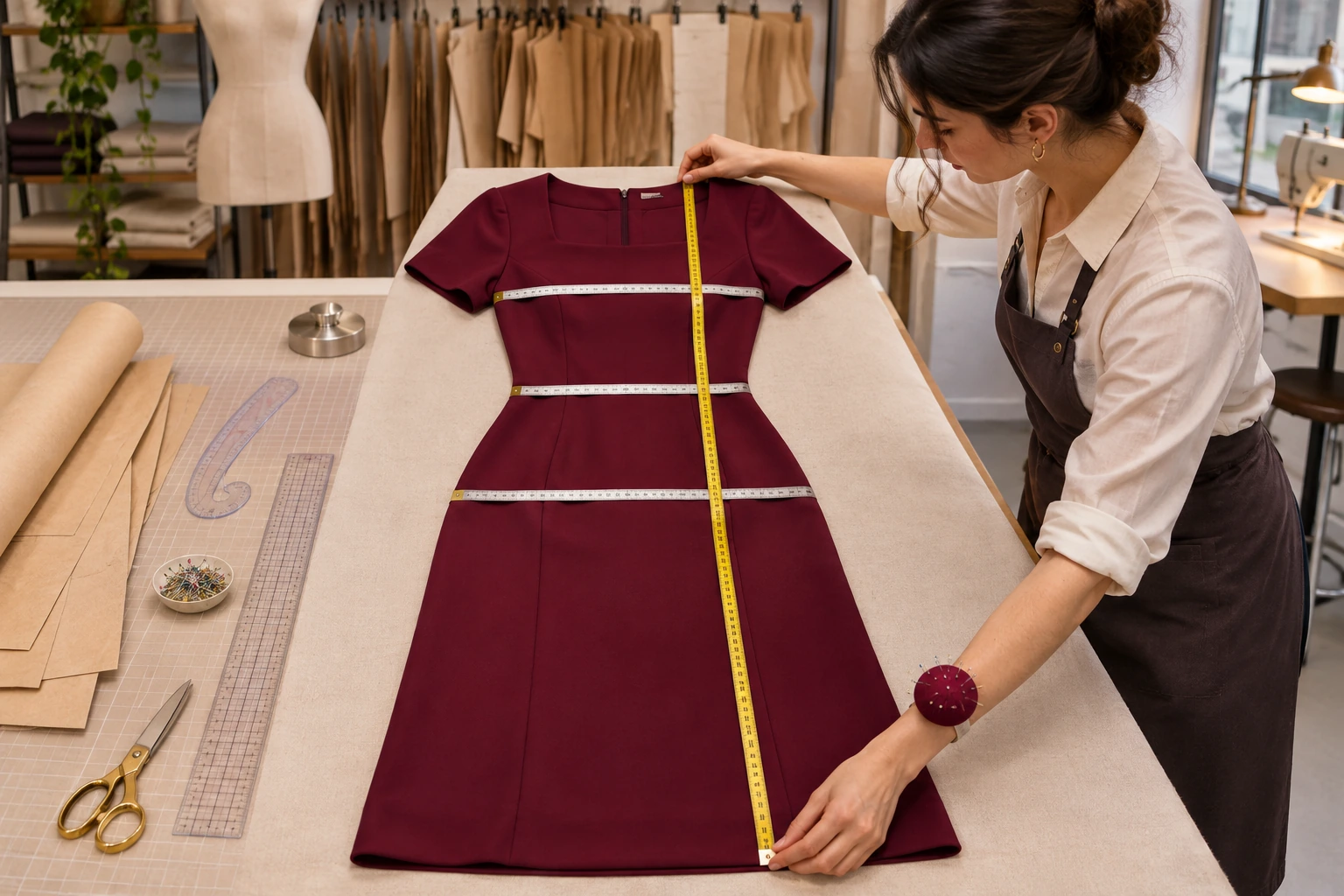
Measure an Existing Dress Without Distorting It
Close all fastenings, smooth the dress and lay it on a flat surface. Abstain from pulling stretch fabric to eliminate wrinkles. Use the same measurement points named by the chart, since a bust line that is taken at the armhole cannot be equated to a high chest figure that is measured elsewhere.
Important Checks:
Convert Flat Width: A flat bust, waist or hip value is typically half of the circumference. Double it only when required.
Lining vs Shell: The lining may be smaller than the outside dress and be the actual boundary. Measure in both directions where the style is fitted.
Translate Measurements into a Dress Size
Use the chart with the specific brand and style. Disregard the wearing size at another store since there is a difference in grading and ease. Check units and convert accurately. Siyinghong women’s custom dress page supports customized size and style specifications instead of relying on a universal retail number.
Choose the Controlling Measurement
Select the size that protects the least alterable area, such as a structured bust or decorated seam.
Account for Ease and Stretch
Positive ease provides space; negative ease enables a stretch garment to be smaller than the body.
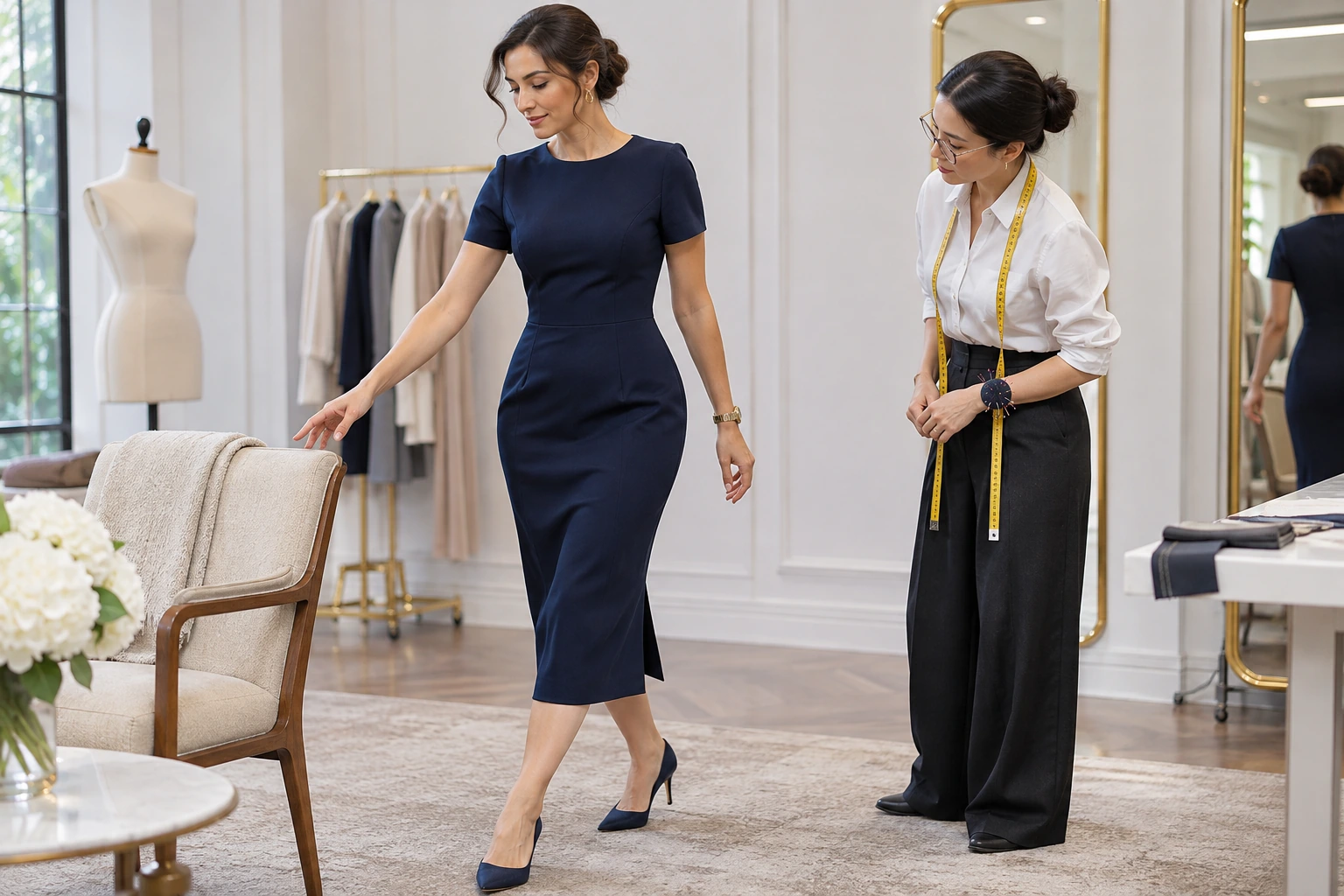
Confirm the Size Through Movement
Wear the dress with the planned underwear and shoes. Sit, walk, reach and lift the arms. The neckline should remain stable, the waist ought to get back to the usual location and the zipper should lie flat. Horizontal pull lines can be used to signify a lack of width.
Separate Size Problems from Proportion Problems
A bodice can feel small because its waist is too high, and a skirt can appear long because the torso is short. Record the intended fix of circumference, vertical balance, strap length or hem.
Create a Repeatable Size System for Production
A production size chart includes target‑body measurements, finished‑garment points of measure, ease and grading rules. size and fit customization can connect these inputs through sample development and measurement control.
Control & Precision: The tape should remain level and touch the body without compressing it. Record measurement conditions including date, units, and posture.
Beyond Base Size: Test at least one smaller size and one larger size in the planned fabric. A usable dress size is the result of a tested system, not a familiar number.
Final Recommendation: When between sizes, record the controlling area. The recommendation must indicate why a size was selected and which area requires alteration.
Post time: Nov-15-2026