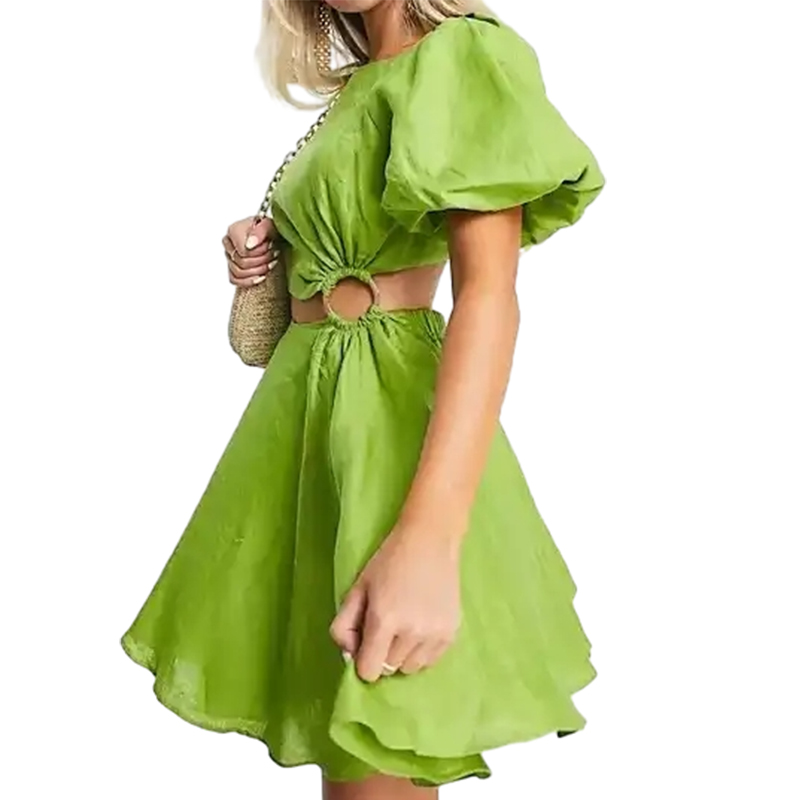
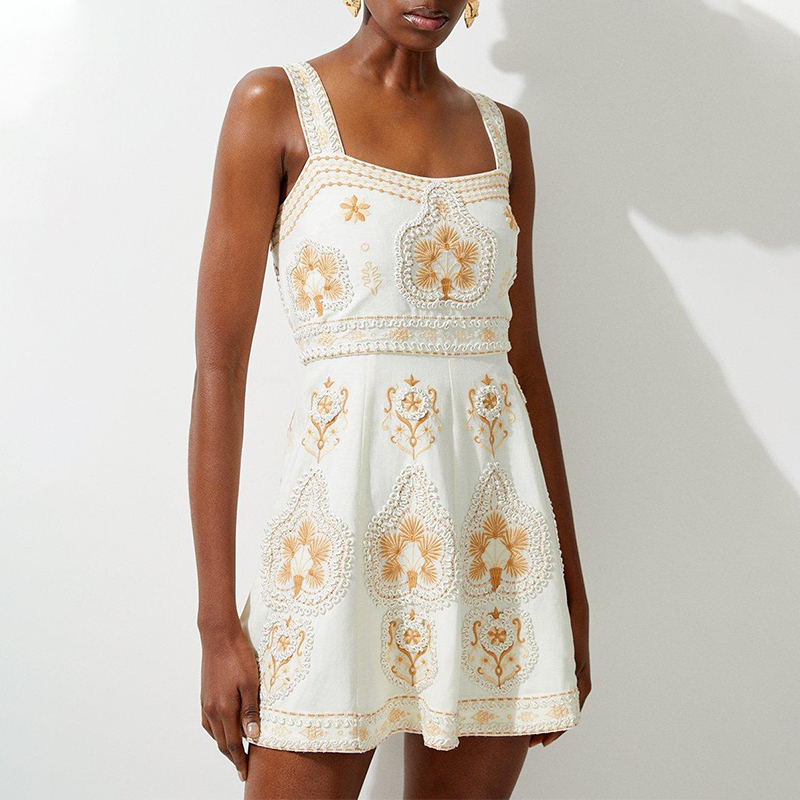
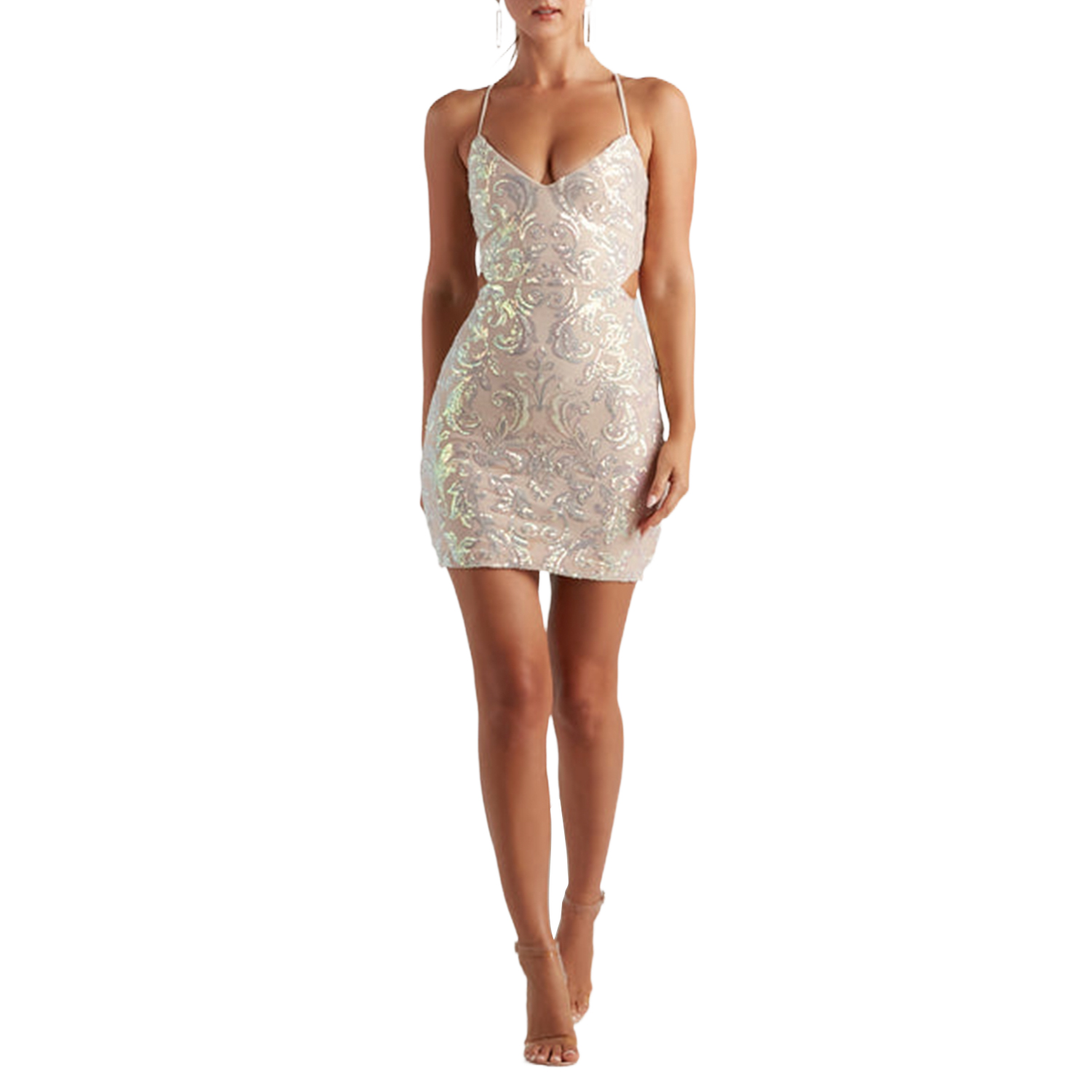
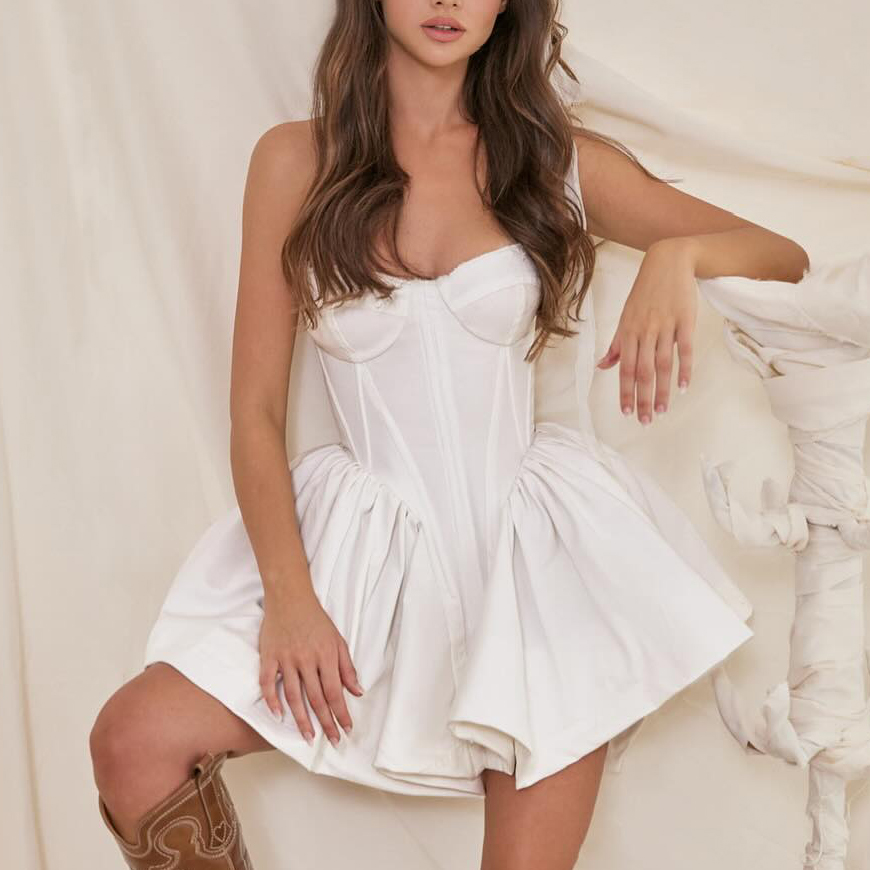
From my experience in the apparel trade, I run a bulk skirts factory that serves buyers who need reliable supply, fast lead times, and consistent quality. Based in China, I ship directly from my factory floor to retailers and manufacturers worldwide. I specialize in fashion skirts in various fabrics, volumes, and trims, with customization options to meet your line sheets. As a China-based Manufacturer, I understand the demand for compliance, fabric sourcing, and ethical production. My MOQ is flexible for bulk orders, and I offer competitive pricing, QC checks, and on-time delivery. I can provide CAD samples, warehousing, and private label packaging. You’ll find that my production lines are optimized for bulk orders, with scalable capacity and strict color/shade control. If you’re seeking a dependable partner to scale your skirt assortment, I’m ready to discuss specs, sizes, and logistics to fit your calendar.
Across 2025, bulk skirt suppliers win by combining high-volume production with clear tailoring. A factory that integrates fabric sourcing, cutting, sewing, finishing, and packaging can shorten lead times and reduce risk for global buyers. Automation in pressing, stitching, and inspection boosts consistency, while scalable capacity handles growing orders. Fabrics such as stretch twill, chiffon, ponte, and denim, along with print and dye capabilities, support a broad range of SKUs. Sustainable practices like water-saving dyeing, waste reduction, and robust social audits build trust with partners worldwide. Global buyers should seek agility, transparency, and risk control. An end-to-end partner with real-time production updates, strong QC, and clear lead times reduces surprises. A well-organized supply chain minimizes disruption from material volatility. Competitive pricing comes from efficient planning, economies of scale, and smart sourcing. Close collaboration on development, sampling, packaging, and delivery helps launch products quickly and scale with demand.
| Supplier ID | Country | Factory Size (Employees) | Annual Output (Units) | Lead Time (Days) | MOQ (Pieces) | Certifications | Product Range | Quality Score | Capacity (Units/Month) | Export Markets | Last Audit | Notes |
|---|---|---|---|---|---|---|---|---|---|---|---|---|
| SUP-1001 | Vietnam | 260 | 3,200,000 | 28 | 2000 | ISO 9001, ISO 14001, BSCI | Casual skirts, Pleated skirts, Denim | 92 | 260,000 | North America, EU, Asia | 2024 | Strong compliance with social responsibility standards. |
| SUP-1002 | Bangladesh | 180 | 1,800,000 | 35 | 1000 | ISO 9001, WRAP | Jersey skirts, Midi skirts | 86 | 150,000 | EU, Middle East | 2023 | Reliable for quick-turn orders. |
| SUP-1003 | India | 320 | 5,000,000 | 22 | 1500 | BSCI, SEDEX | A-line, Maxi, Pleated | 95 | 420,000 | EU, US, AU | 2024 | High standard for fashion-forward lines. |
| SUP-1004 | China | 540 | 12,000,000 | 18 | 3000 | ISO 9001, IQC, OHSAS 18001 | Office wear, School uniform skirts | 89 | 1,000,000 | Asia, Africa | 2022 | Strong production scale; long-term partnerships. |
| SUP-1005 | Indonesia | 210 | 2,400,000 | 25 | 1200 | ISO 9001, BSCI | Wrap skirts, Skort | 88 | 200,000 | US, EU, SEA | 2023 | Competitive pricing on bulk orders. |