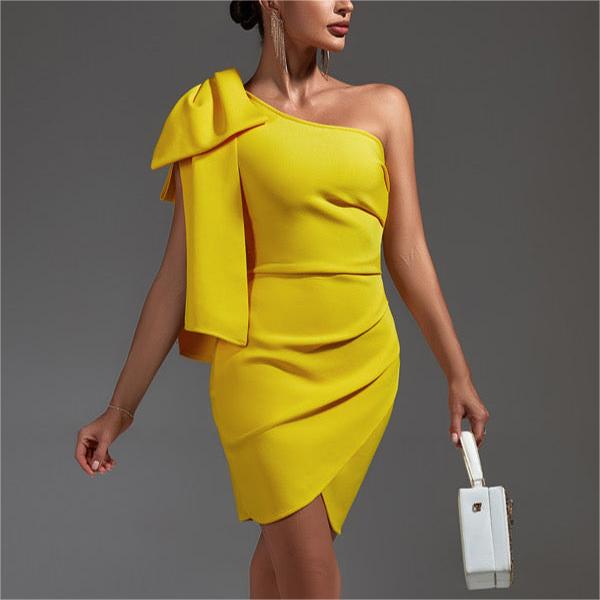
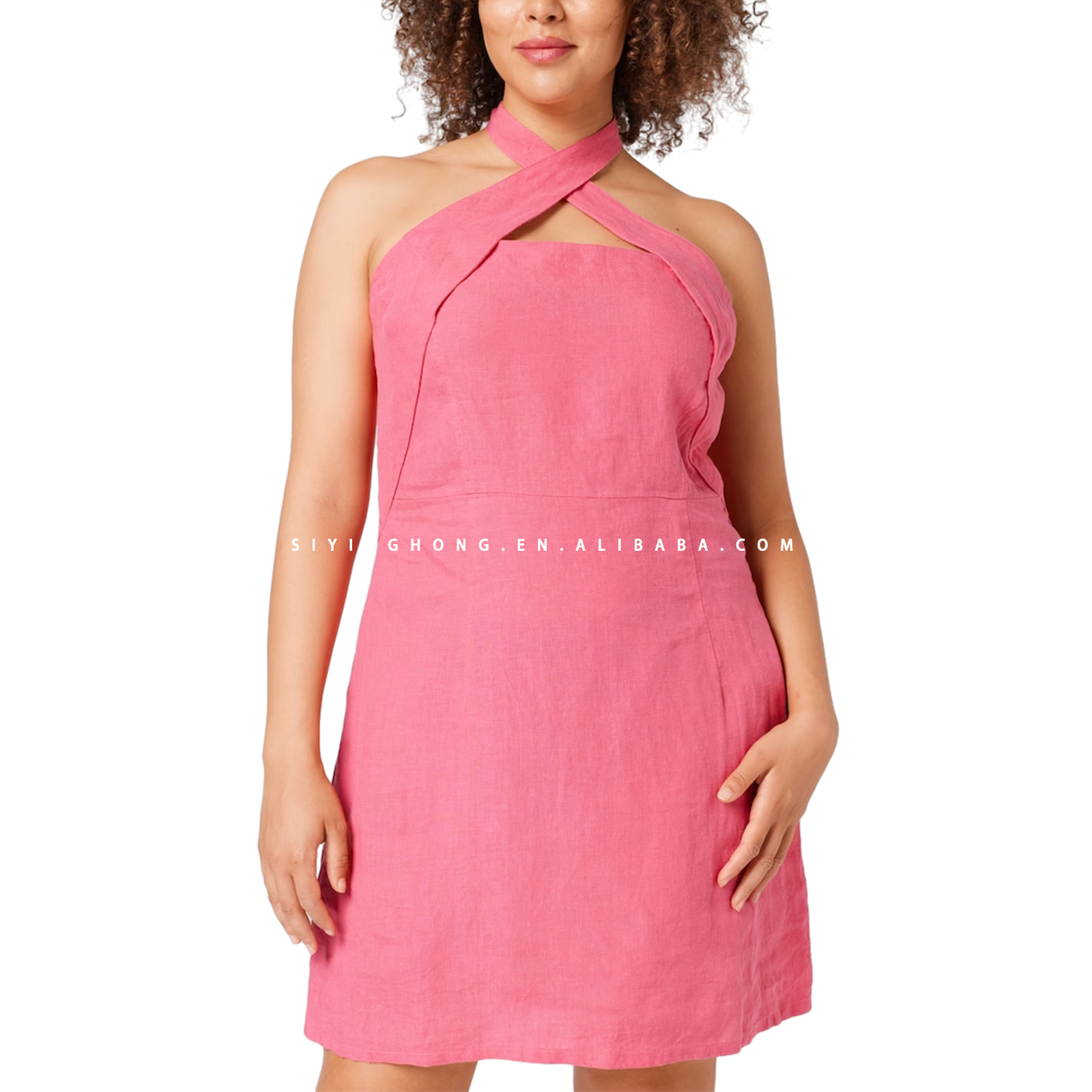
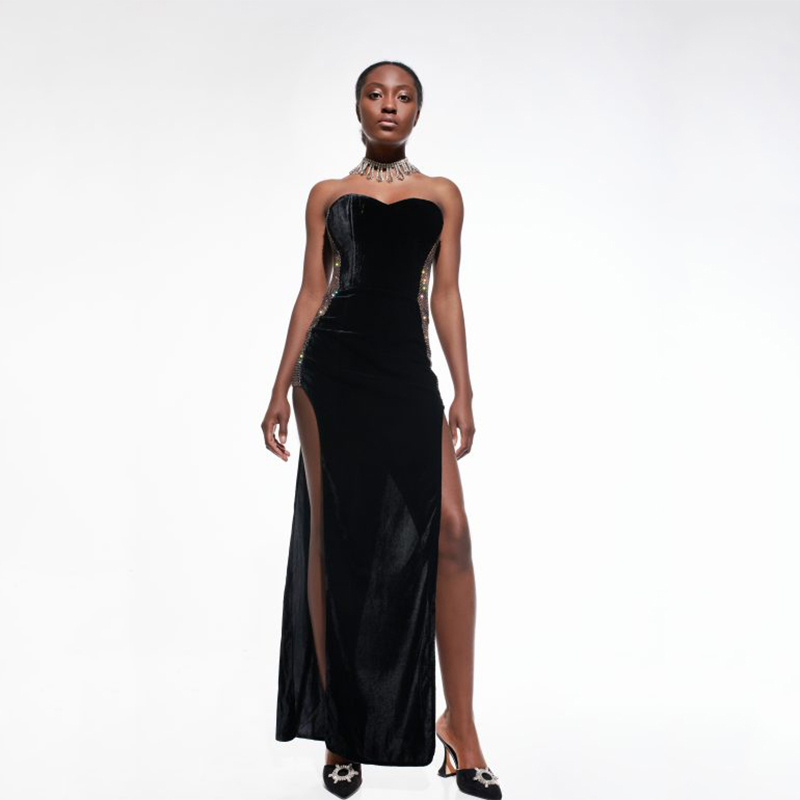
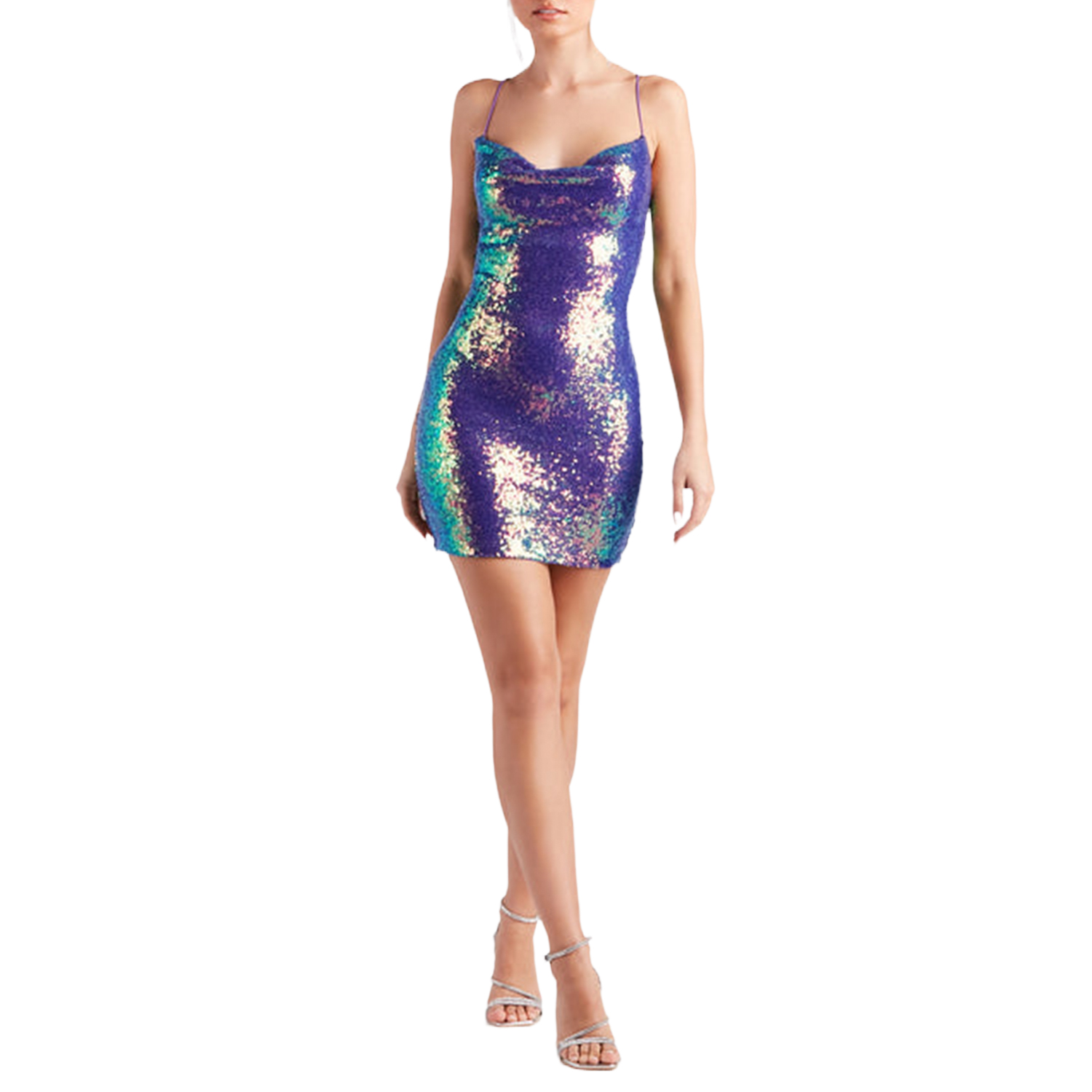
I am a China-based manufacturer offering bulk mini dresses to global retailers. I lead a small, skilled team that designs, fabrics, and ships ready-to-order collections quickly. I specialize in bulk mini dresses in varied fabrics, sizes, and colorways, with scalable MOQ, competitive pricing, and flexible customization (OEM/ ODM). For B2B buyers, I provide samples, drop-shipping options, and reliable lead times. I know retailers want quality control, consistent sizing, and fast replenishment. My facility uses eco-friendly materials and strict QC to ensure every batch meets standards. With direct access to factories in China, I can cut costs and speed up delivery for bulk orders. If you are a distributor or online retailer seeking reliable supplier of bulk mini dresses, I can collaborate to create lines that fit your market and budget.
As industry-leading manufacturers of bulk mini dresses, we combine years of garment production expertise with flexible sourcing to meet global retail and wholesale demands. From trend-driven silhouettes to durable basics, our vertically integrated process covers fabric selection, pattern making, sample development, and efficient mass production to ensure consistent fit, colorfastness, and on-time delivery. Buyers benefit from transparent quality control, scalable minimums, custom labeling, and sustainable fabric options, plus proactive communication and streamlined logistics for reliable door-to-door shipments. Whether private-label collections or seasonal replenishment, this service backed by expertise reduces lead times, controls costs, and helps partners grow with confidence in every order.
| Dimension | Typical Industry Values / Notes |
|---|---|
| Product Segment | Casual mini dresses, daywear and party styles targeted to fast-fashion and private-label channels; also small-run boutique collections. |
| Primary Fabrics | Lightweight woven and knit fabrics such as polyester blends, rayon/viscose, modal blends, cotton blends and linen blends—selected for drape and cost-effectiveness. |
| Common Size Range | Standard adult sizes typically XS–XL (equivalent range Sizing 0–14 depending on market). Grading across bust/waist/hip is standard per region. |
| Typical Lead Time | Sampling: 1–3 weeks; Bulk production: commonly 4–12 weeks depending on order complexity and seasonal demand peaks. |
| MOQ Range (pieces) | Typical minimums range from ~50–500 pieces per style for smaller factories; 500–2,000 for larger production lines. Many suppliers offer tiered MOQs for color/print variations. |
| Average Production Yield | Common target yields are 94–99% (finished pieces passing primary inspection before packing); yields vary with fabric behavior and trim complexity. |
| Typical Defect Rate | Industry AQLs aim for ≤2.5% major defect rate; typical acceptable ranges are 1–3% depending on product category and buyer requirements. |
| Quality Controls / Tests | Inline inspections, final inspection (AQL sampling), dimensional checks, color fastness, seam strength, button/trim security, and visual defect mapping. |
| Sustainability Credentials | Common certifications/standards referenced include GOTS-compliant fibers for organic content, OEKO-TEX Standard 100 for restricted substances, and recycled-content documentation where applicable. |
| Typical Packaging | Folded in individual polybags or compostable bags with size/label hangtags; bulk cartons with internal dividers and packing lists per carton. |
| Preferred Shipping Modes | Sea freight is common for cost-effective bulk shipments; air/express used for urgent replenishment or small-volume orders. |
| Order Channels | B2B wholesale portals, private-label partnerships, seasonal capsule collections, and marketplace wholesalers; trade shows and digital sourcing tools remain important. |
| Customization Options | Labeling, private-label tags, bespoke trims, custom prints, size grading, and minor pattern adjustments; embroidery and appliqué options vary by factory capability. |
| Sampling Policy (Typical) | Prototypes available within 1–3 weeks; sample fees often apply but are commonly credited against first bulk order when agreed in contract. |
| After-Sales & Technical Support | Technical support for fit/tech pack review, corrective actions for defects, and guidance on care labeling and compliance testing is typically available for bulk clients. |
| Seasonal Peak Months | Spring–Summer collections peak March–June; additional spikes for holiday-driven designs in Q4 (October–December). |