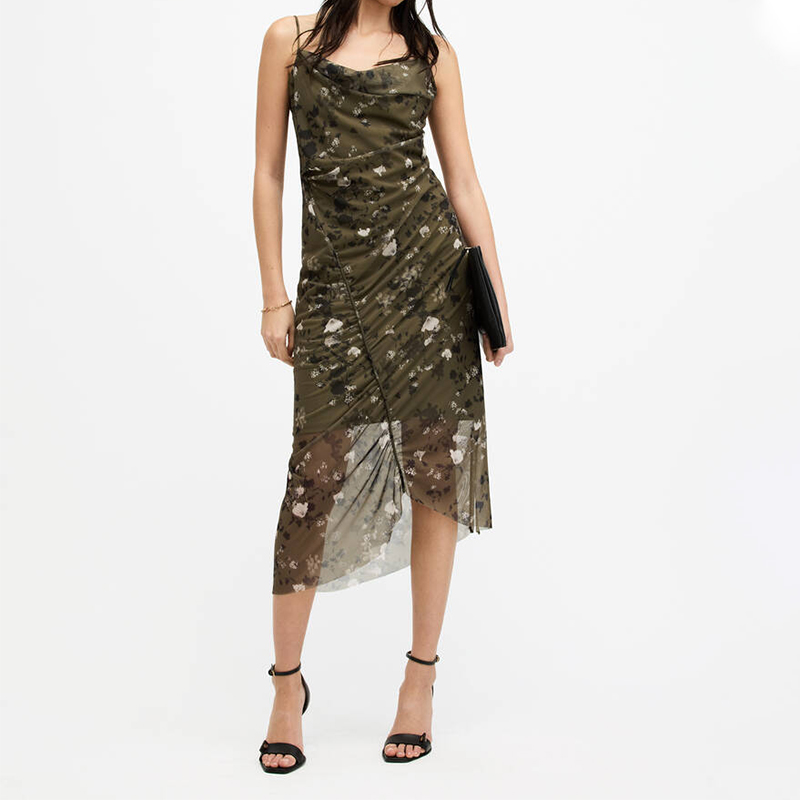
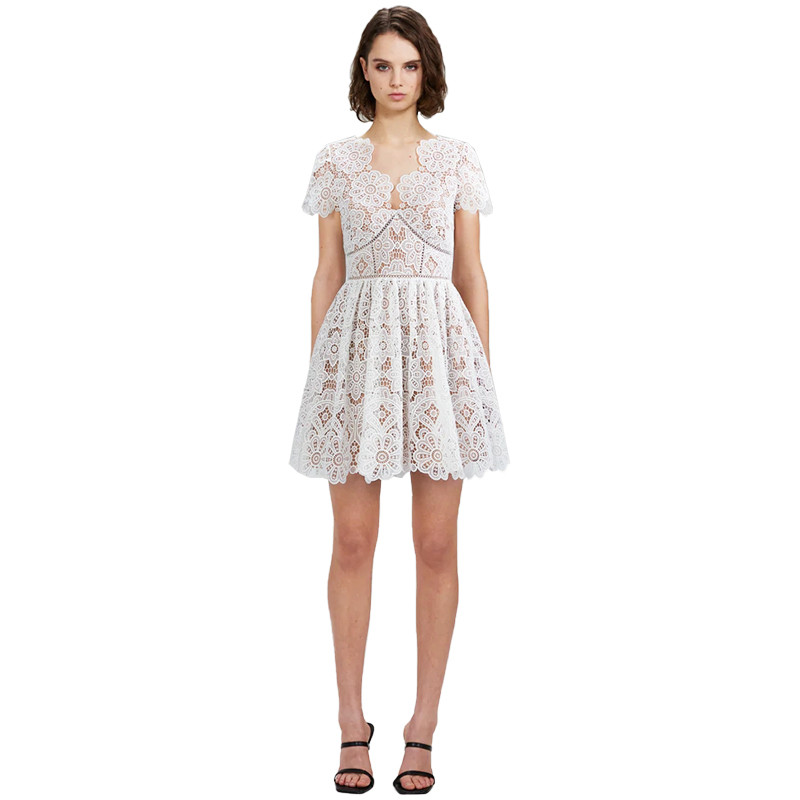
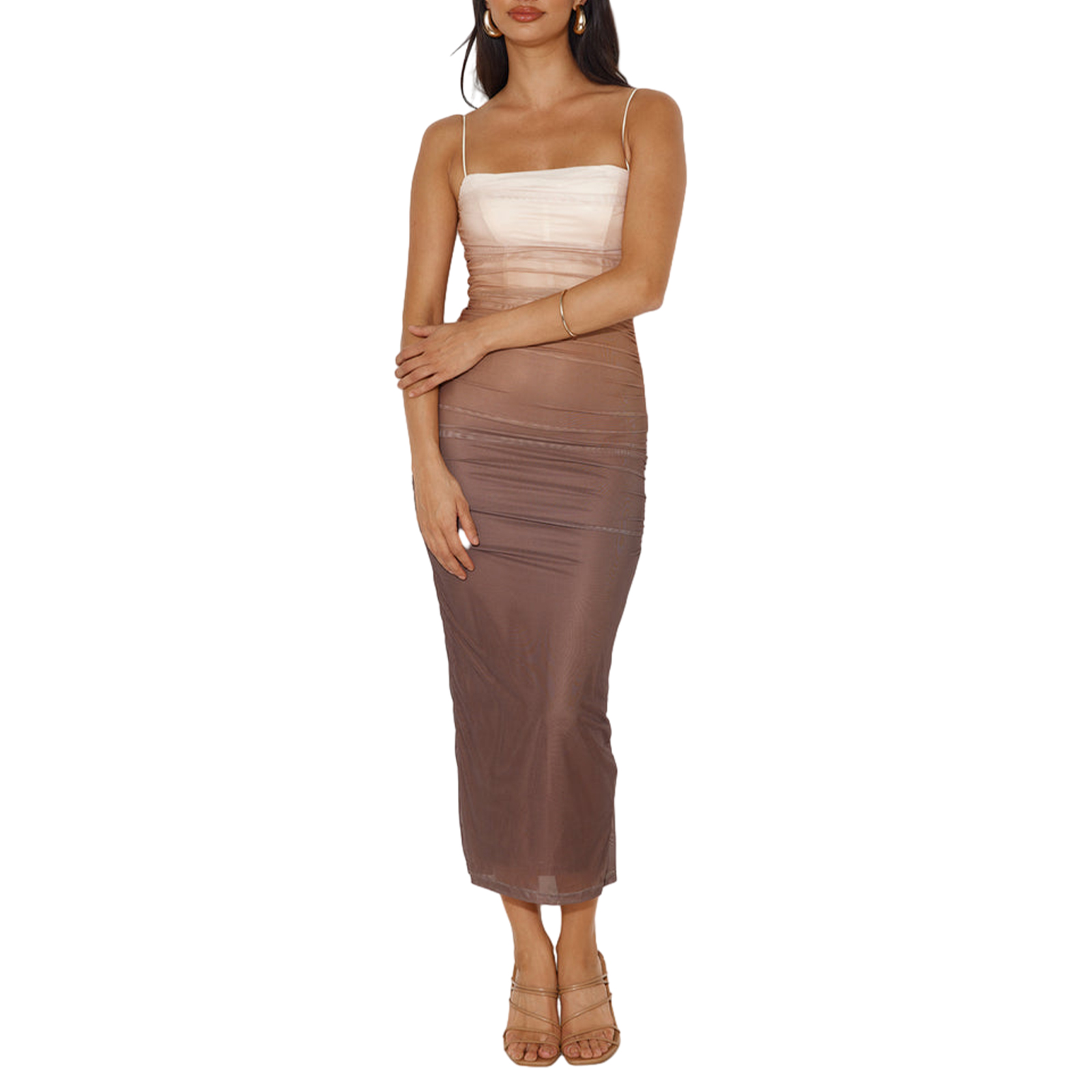
From my factory in China, I supply bulk halter tops that fashion brands can truly rely on. I am a dedicated manufacturer, focused on quick response, fair pricing, and reliable lead times for B2B partners. When you buy bulk halter tops from us, you can choose from various fabrics, colors, and trims, with custom labeling and sizing to fit your line. We keep MOQ flexible for test orders and seasonal runs, with samples to approve before mass production. Our quality control is strict: every batch tested for colorfastness, stitching, and fit. We offer ODM/OEM services, with your logo, packaging, and size chart. We ship worldwide with tracking and reasonable shipping times. If you looking for a steady supplier that can scale with your growth, I welcome your inquiry and will reply promptly with a competitive quote. Let’s build a long-term partnership on bulk halter tops that your customers will love.
From initial concept sketches to final cartons on the dock, we offer end-to-end bulk halter top production tailored for global buyers. Our process begins with collaborative design and tech-pack development, CAD pattern-making, fabric sourcing—including sustainable blends—and rapid prototyping. Samples and fit iterations ensure the silhouette, sizing and trim details meet your market needs before scale-up. On the production side, dedicated lines handle high-volume runs with strict in-line and final quality checks based on international AQL standards. We manage size grading, labeling, custom packaging and documentation to streamline customs clearance and logistics. With flexible MOQs, competitive costing, and multilingual account support, we focus on predictable lead times, transparent supply chains and on-time delivery so your seasonal launches and retail timelines stay on track.
| Stage | Activity & Objectives | Typical Inputs | Materials / Fabric Options | Typical Lead Time | Quality Checks | Certifications & Compliance | Environmental Considerations |
|---|---|---|---|---|---|---|---|
| Concept & Design | Define product silhouette, target fit, trims and end-use (casual, active, resort). Create technical sketches and initial tech pack. | Market research, size charts, target demographics, fabric hand samples, color palettes. | Cotton jersey, modal blends, viscose, lightweight rib knit. | 0.5 – 1 week | Design review against brief; trim & hardware compatibility check. | Material content labeling requirements; regional textile labeling rules. | Prefer lower-impact fibers; plan for efficient marker layout to reduce waste. |
| Materials Sourcing | Select consistent textile suppliers and confirm fabric specs, performance and minimums for chosen materials. | Fabric swatches, dye lot samples, fiber composition documents. | Organic cotton jersey, recycled polyester/elastane blends, Tencel/modal. | 1 – 3 weeks (sampling & confirmation) | Color lot approval, GSM testing, shrinkage pre-wash test. | OEKO‑TEX Standard 100, Global Recycled Standard (where applicable). | Preference for GRS or certified organic sources; low-impact dyes; water use reporting. |
| Sampling & Prototyping | Produce fit prototypes and a pre-production sample to validate fit, stretch and construction. | Tech pack, size set request, fabric swatches, trims (cords, toggles). | Final selected fabric and elastane percentages for recovery. | 2 – 4 weeks | Fit session, seam allowance validation, stress-point assessment on straps and attachments. | Safety standards for drawcords or adjustable elements; regional textile safety guidance. | Use digital sampling where possible; minimize repeated physical samples. |
| Pattern Making & Grading | Finalize patterns, grade the size range and prepare markers for efficient cutting. | Approved prototype, size specification sheet, grading increments. | Accounting for fabric stretch and recovery in grading rules. | 1 – 2 weeks | Pattern accuracy checks, sample size re-fit, marker yield estimation. | Compliance with size labeling regulations in target markets. | Optimize marker layouts to reduce fabric waste; consider offcuts recycling. |
| Production Planning | Plan production schedule, line balancing and resource allocation for cut & sew. | Production tech pack, confirmed fabric bolts/dye lots, trim list. | Confirmed bulk fabric batches (same dye lot recommended). | 1 – 2 weeks (pre-production setup) | Pre-production meeting; sample line check; machine capability review. | Factory compliance audits (social & workplace standards as required). | Energy-efficient scheduling; reduce rework by clear operator instructions. |
| Bulk Production | Cutting, sewing, assembly of halter tops according to specs and quality tolerances. | Cut bundles, production markers, operator instructions, QC checkpoints. | Main body fabric, neck straps, elastic inserts or binding, labels. | 4 – 8 weeks (depending on capacity and order size) | In-line inspections, seam strength tests, dimensional tolerances, visual defects log. | Factory health & safety compliance; material certifications verified for finished goods. | Water-based adhesives, efficient dyeing batches, waste segregation on floor. |
| Quality Assurance & Final Inspection | Final inspections to enforce AQL thresholds and ensure labeling, packaging and fit compliance. | Inspection plan, AQL criteria, approved sample reference. | Final product verification against approved fabric and trims. | 0.5 – 1 week | Full carton checks, random dimensional checks, color consistency, wash/fastness tests. | Testing certificates for flammability, colorfastness where required by market. | Reject sorting and recycling plan; minimize disposal to landfill. |
| Finishing & Packaging | Final pressing, tagging, folding, eco-friendly packaging assembly and documentation. | Hangtags, care labels, packing instructions, polybag or reusable wrap choice. | Paper hangtags (FSC), compostable or recycled polybags; size dividers. | 0.5 – 1 week | Check label accuracy, packaging integrity, correct units per carton. | Packaging material compliance (recyclability standards per market). | Use recycled/recyclable packaging; optimize carton fill to reduce transport footprint. |
| Logistics & Delivery | Coordinate transport modes, generate shipping documents, track transit and customs readiness. | Packing lists, commercial invoice (non-price details allowed), export declarations, Incoterm selection. | N/A (logistics stage) | 2 – 6 weeks (ocean) / 3 – 10 days (air) depending on route | Carton integrity on dispatch; documentation accuracy check. | Customs compliance and origin documentation; restricted materials screening. | Choose consolidated shipping where feasible; preference for lower-carbon carriers. |
| Post-Delivery Feedback & Continuous Improvement | Collect end-user and retail feedback, analyze returns and performance, update tech packs. | Customer feedback summaries, return reports, sales-fit analysis. | Notes for material adjustments in future runs (hand, drape, pilling). | Ongoing (monthly review cycles recommended) | Trend analysis for repeated defects; corrective action tracking. | Maintain records for auditability and traceability of materials. | Implement take-back or recycling programs; incorporate lessons to reduce waste. |