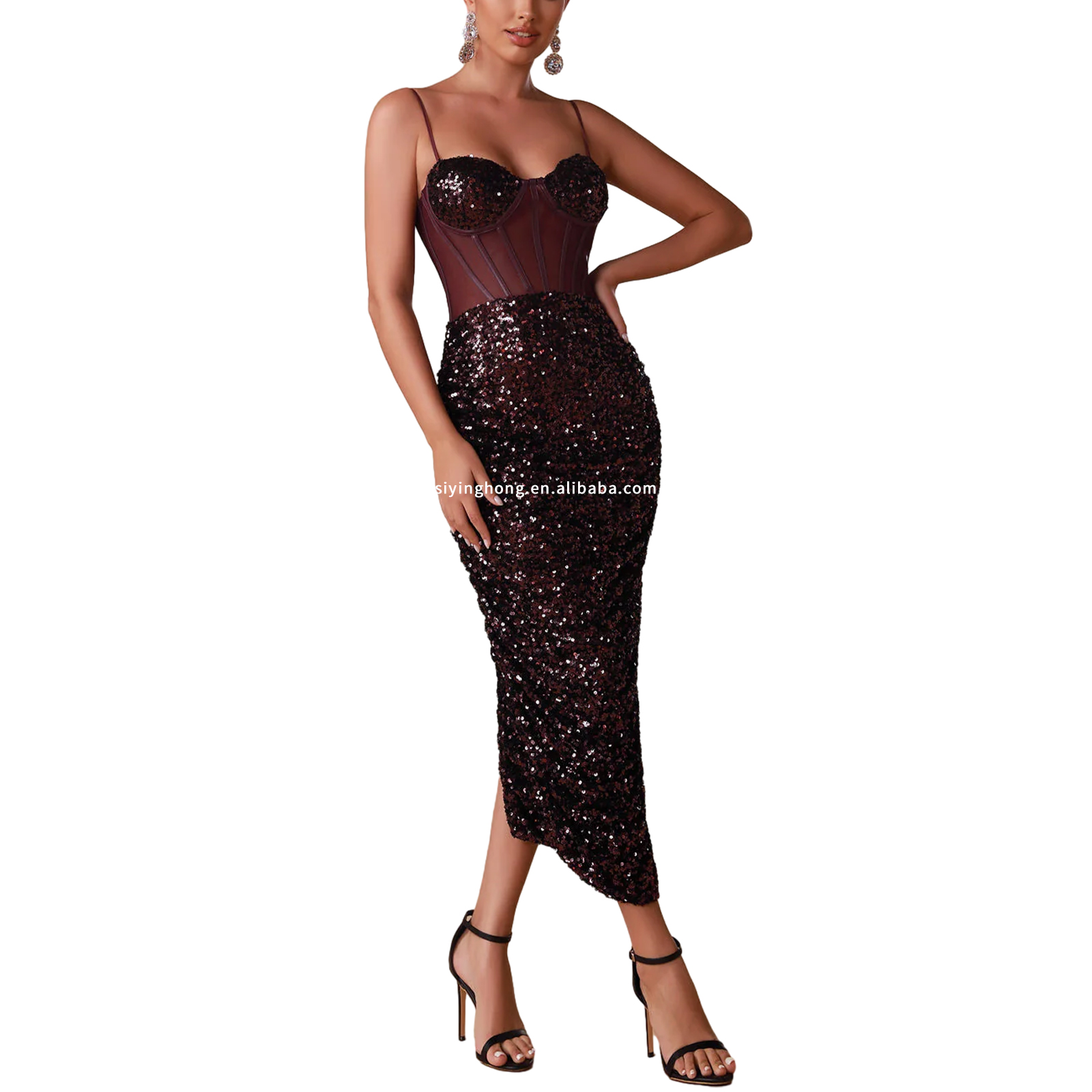
I bring a handpicked B2B homecoming dress collection that's built for wholesale orders and strong manufacturer partnerships. I work directly with Manufacturers to ensure consistent sizing, rich fabrics, and reliable lead times. When you partner with me, you get competitive pricing, flexible MOQs, and samples that let you approve before you stock your shelves. My B2B homecoming dress line blends classic silhouettes with modern sparkle, from satin finishes to tulle overlays, all designed to travel well from factory to customer. I understand the needs of boutiques and online retailers — fast restocks, easy returns, and scalable ranges. I provide catalogs, care guides, and marketing assets to help your wholesale buyers push sales. If you’re a retailer seeking dependable, stylish options, I’ve got you covered. We ship globally, and I’m ready to customize colors or minor details with our trusted manufacturers.
As the B2B market for homecoming dresses enters 2025, the buying landscape favors partners who blend fashion-forward design with scalable manufacturing. Global retailers and e-tailers seek gowns that can be produced in volume without sacrificing quality, while embracing sustainable materials, lighter silhouettes, and comfortable fits. Advances in digital design, 3D prototyping, and color forecasting shorten the leap from concept to catalog, enabling rapid sampling and faster time-to-market. Modular construction, detachable embellishments, and adaptable sizing make a single style fit multiple regions and event formats. To win in this environment, suppliers must offer transparent supply chains, flexible MOQs, and responsible sourcing. ODM/OEM capabilities, agile production lines, and diversified sourcing reduce risk under volatile demand. Value can also be created through value-added services such as custom labeling, packaging optimization, and post-purchase support. By pairing innovative fabrics and construction with reliable logistics and compliance, partners can deliver compelling, cost-efficient collections that resonate with buyers worldwide.
| Dimension | Characteristic | Value | Unit | Notes |
|---|---|---|---|---|
| Innovation Focus | Area of focus | Smart textiles integration and modular design | N/A | Includes detachable modules and sensor-enabled features |
| Material | Primary materials | Recycled polyester and bio-based viscose blends | Materials | Aligned with circular fashion standards |
| Fabric Construction | Method | 3D-knitted fabric with laser-cut panels | Fabric construction | Reduces fabric waste by 15-20% compared to traditional cut-and-sew |
| Lead Time | Turnaround | 40-55 | days | From order confirmation to production ready |
| MOQ | Minimum order quantity | 150-300 | units | Varies by style and customization level |
| Certifications | Compliance | OEKO-TEX Standard 100, GRS | certifications | Non-toxic materials and recycled content standards |
| Sustainability Rating | Score | 4.5 | out of 5 | Based on Higg Index assessment |
| Digital Readiness | Integration | 78 | out of 100 | Supports B2B portals and EDI readiness |
| Production Capacity | Output | 40,000 | units/year | Modular manufacturing lines enable scalable output |
| Regional Demand | Market focus | North America, Europe | regions | Primary markets for 2025 B2B homecoming dresses |